Black Lake: A Guide to One of Montenegro’s Most Famous Natural Landmarks
Visiting Black Lake in Montenegro? Get practical tips on access, the lakeside walk, when to go, what to do, and the best nearby Durmitor stops.
Black Lake in Montenegro is located in the northern part of the country, in the heart of Durmitor National Park, just a few kilometers from Žabljak. Situated at an altitude of around one thousand four hundred meters, this lake represents one of the most accessible and most visited natural attractions in Montenegro, and one of the top things to see in Montenegro for nature lovers.
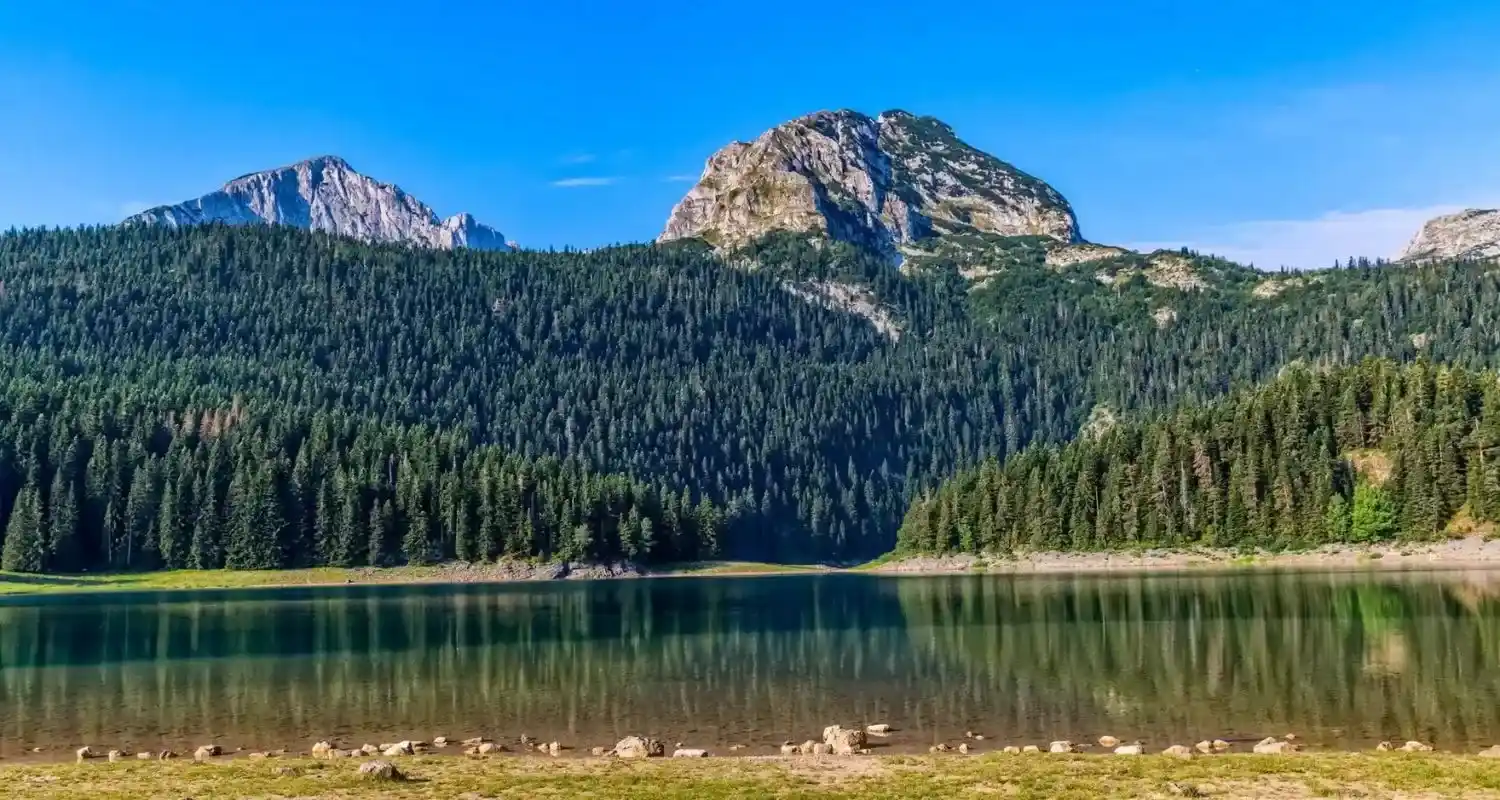
What is particularly interesting is that the uniqueness of Black Lake lies in its structure, as it consists of two connected sections known as Big Lake and Small Lake. During the warmer months, the connection between them dries up, temporarily dividing the lake into two separate bodies, while during the rest of the year they merge again. This change in water level is one of the details that often surprises visitors, especially those coming for the first time
In the following sections, we will explain the lake’s location, the surrounding national park, activities available throughout the year, and useful information if you are planning a visit, including the best transportation options to reach the site. For all these reasons, this guide is intended as a practical starting point for anyone who wants to get to know Black Lake in Montenegro in a detailed, informative, yet simple way. Let’s get started...
Key Facts and Geography of Black Lake in Montenegro
Black Lake in Montenegro is located at an elevation of one thousand four hundred and sixteen meters, within Durmitor National Park. Thanks to this position, the lake is easy to reach, while still high enough to retain a distinct mountain character.
The proximity of Žabljak allows access on foot, by car, or by bicycle, without the need for demanding hiking routes. A well-maintained trail of approximately three and a half kilometers circles almost the entire shoreline. However, it is worth noting that certain sections of the path cross small streams, which can make walking slightly more challenging in spring or after heavy rainfall.
Location and Accessibility
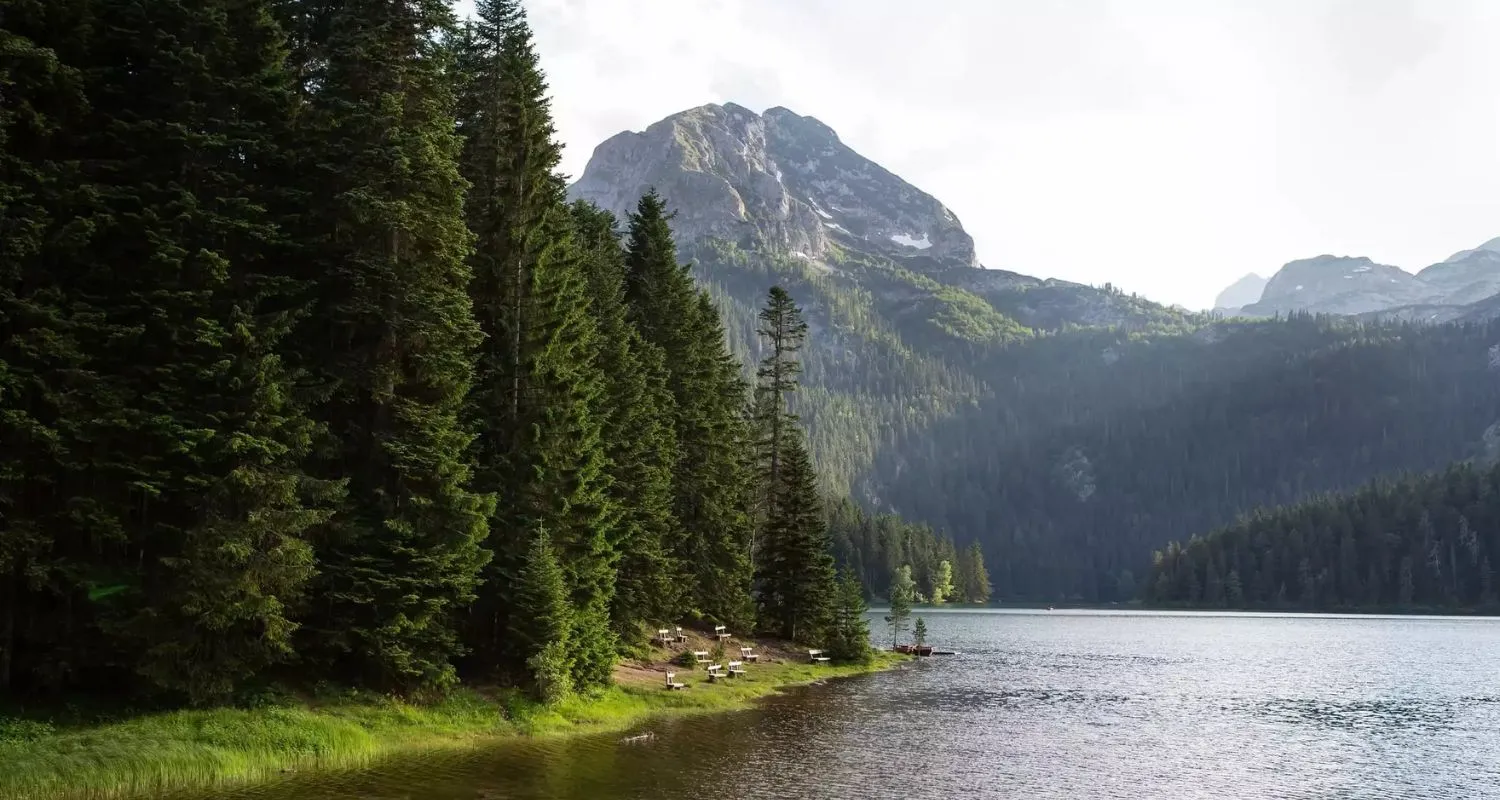
Black Lake in Montenegro lies directly at the foot of Međed Peak, one of the recognizable summits of the Durmitor massif. Due to its position, it is considered the most easily accessible of all eighteen glacial lakes scattered across this mountain area. This accessibility plays a major role in the lake often being the first stop for visitors to the national park.
The closeness to Žabljak allows for short, spontaneous visits as well as longer stays without logistical difficulties. The circular trail is clearly marked and suitable for most visitors, including families and recreational walkers. Benches placed at regular intervals and information boards about local plant and animal species further enrich the experience at this unique location.
Physical Features and Structure
As mentioned in the introduction, Black Lake in Montenegro consists of two naturally connected sections known as Big Lake and Small Lake. For most of the year, these two parts are linked by a narrow channel, while during summer the connection often dries up due to lower water levels. At that time, two separate bodies of water with different characteristics are formed.
Big Lake covers a larger surface area but is shallower, while Small Lake is significantly deeper and contains a greater volume of water. Interestingly, despite its smaller size, Small Lake reaches nearly twice the depth. This difference affects water temperature, color, and movement, which can be noticed even without special equipment.
Formation and Hydrology
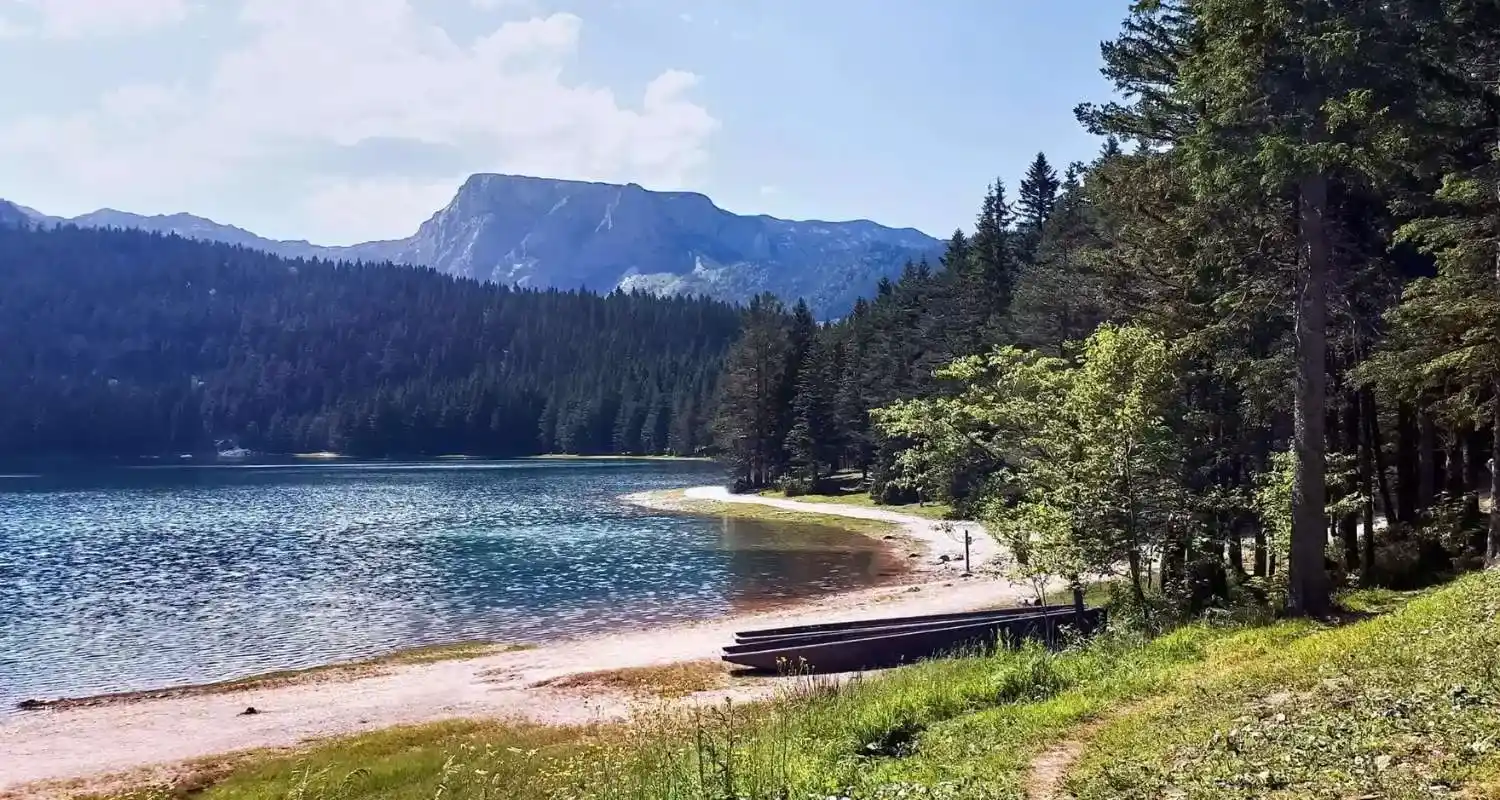
Black Lake in Montenegro, like other glacial lakes on Durmitor, was formed by glacier activity during the last Ice Age. It is fed by several mountain springs and streams, with Mlinski Potok standing out as the most prominent. In addition, temporary inflows appear during spring snowmelt from the surrounding slopes.
Another notable feature of the lake is the seasonal change in water flow direction between its two sections. In summer, water flows from the larger basin into the smaller one, while in winter the direction reverses. Through underground channels, the water continues toward the basins of the Tara and Piva rivers, directly connecting this site to Montenegro’s broader hydrological system.
Worth knowing:
– Water depth and level vary significantly throughout the year
– The lake’s hydrological system influences two major rivers
– Seasonal reversal of water flow is a rare feature among mountain lakes
The Lake as Part of Durmitor National Park
Black Lake in Montenegro lies within Durmitor National Park, an area protected by UNESCO for its outstanding natural value. The park includes diverse mountain landscapes shaped by glacial processes, with peaks rising above two thousand meters. In such surroundings, the lake plays an important role in maintaining the natural balance of the wider area.
Ecological Significance
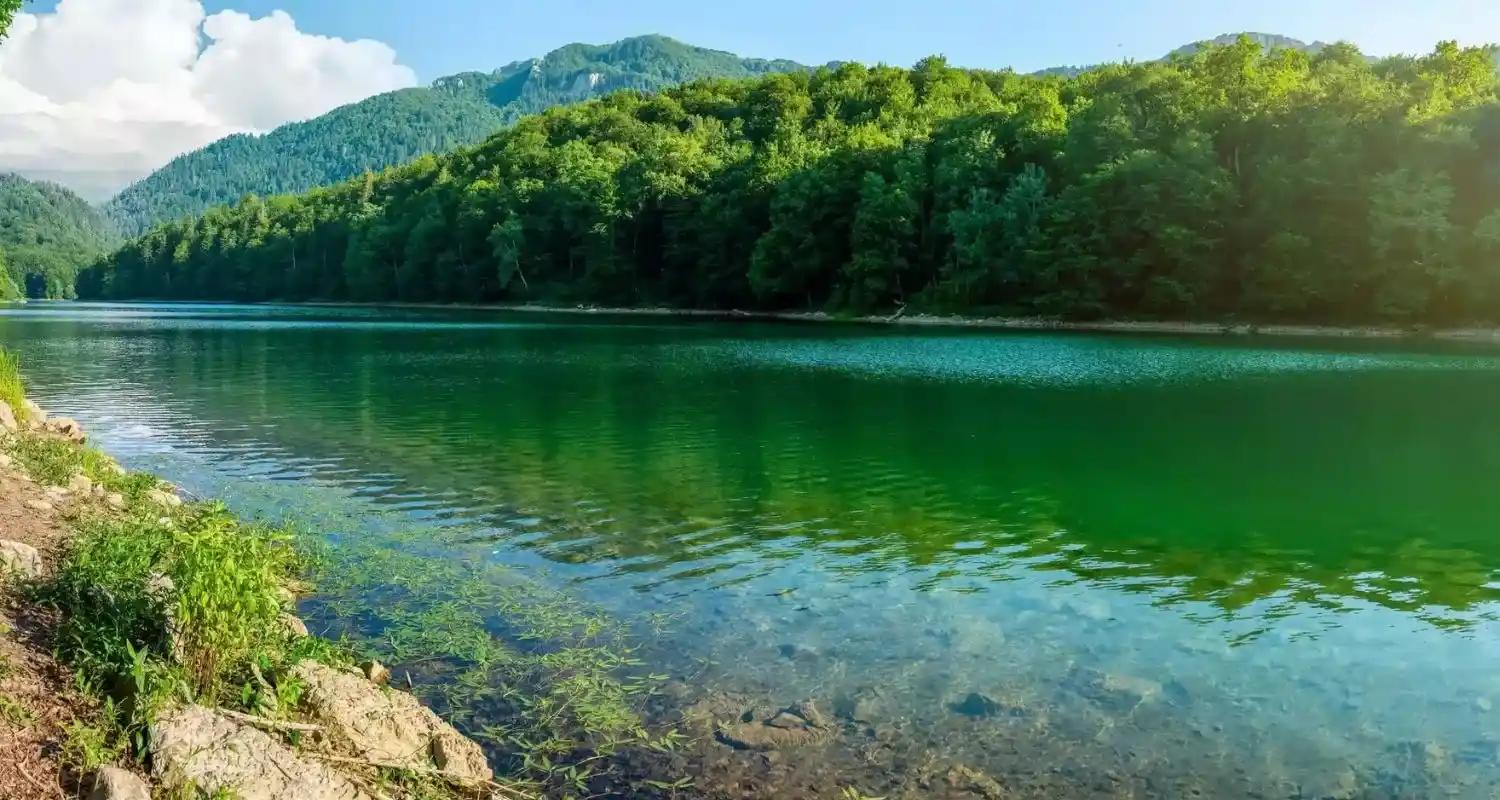
This area is one of the key points in Durmitor National Park’s ecological network. Its cold, oxygen-rich water helps stabilize the local microclimate and supports species sensitive to temperature changes. The position below Međed Peak also contributes to collecting rainfall and snowmelt, which then naturally flows toward lower areas.
Because of its location, the lake connects alpine meadows with forest zones in the lower parts of the park. During summer, when water levels drop and the lake’s sections separate, two different aquatic environments appear. This affects the distribution of nearby plant and animal communities, something you can often notice even on a first visit.
Flora and Fauna
The area around Black Lake in Montenegro is shaped by plant species adapted to limestone soil and a short growing season. Lower slopes are covered with black pine, while higher up you’ll find alpine meadows with hardy mountain vegetation. This mix of habitats creates conditions for a wide range of wildlife.
In the wider area, large animals such as bears and wolves can be found, although the lake itself is safe and monitored with video surveillance and rangers. On steeper slopes, chamois are common, along with various other species. Birds of prey often circle above, while cold-water fish typical of the Balkans live in the lake, and the presence of sensitive insects and amphibians further confirms the high water quality.
Did you know:
– The presence of certain insect species points to clean, unpolluted water
– Large predators rarely approach the shore, but they are vital to the ecosystem
– Different elevations create several micro-habitats within a small area
Durmitor’s Glacial Lakes
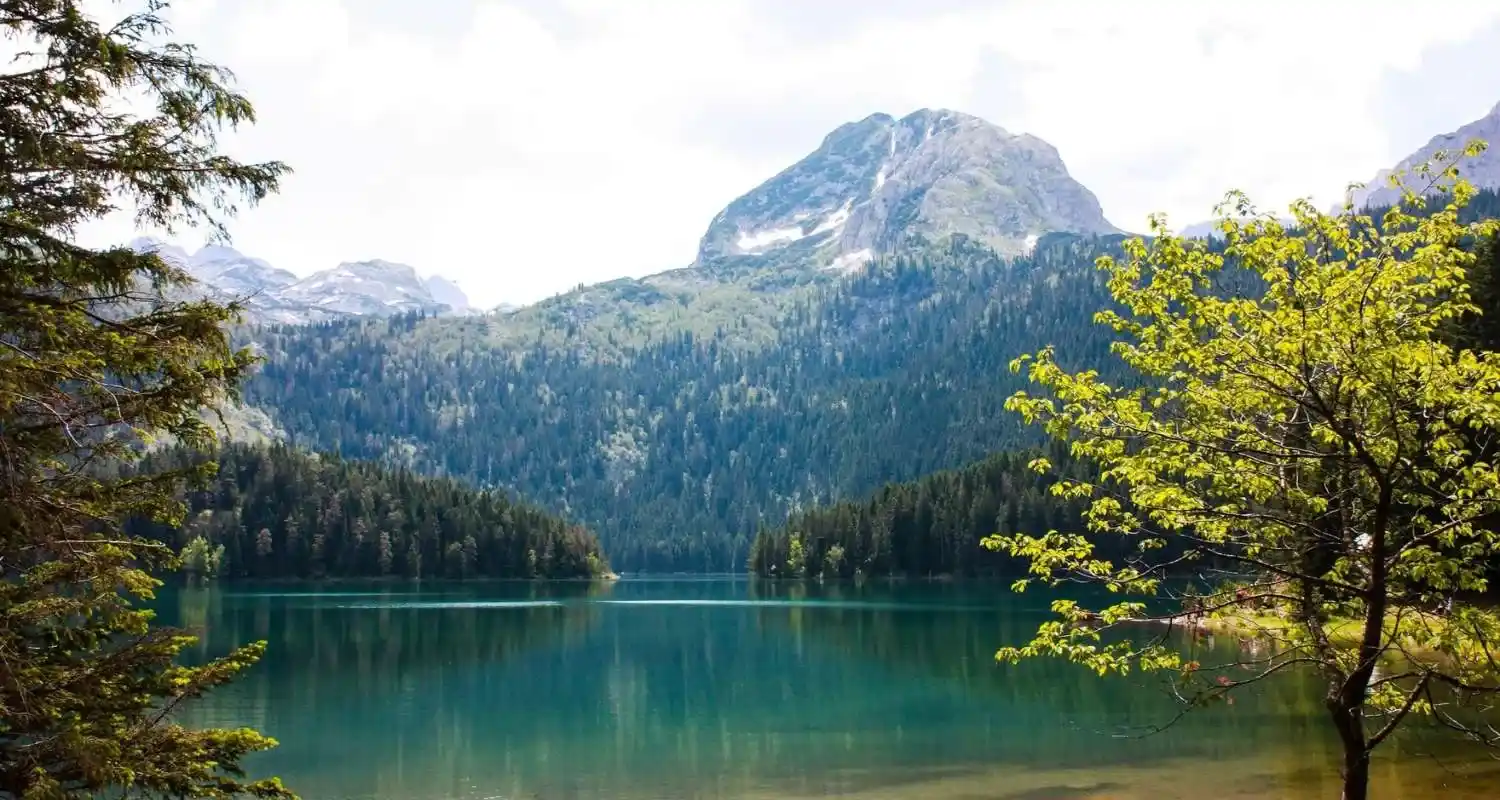
The fact that lake is not the only lake here is shown by Durmitor National Park’s total of eighteen glacial lakes, formed during the last Ice Age. Among them, it is the largest and most recognizable, but the others also have their own features in terms of depth and how long ice remains. Some stay frozen even into early summer, depending on elevation.
Each lake formed in natural basins carved by glaciers, which gives them their distinctive shape. Although their origin is similar, differences in soil composition and surrounding vegetation affect water chemistry. Because of that, every glacial lake on Durmitor has its own character, while Black Lake in Montenegro remains the central point of this unique mountain system.
Tip: If you can, make time to visit a few other lakes as well, such as Modro Lake, Suva Lokva, Barno Lake, and Zabojsko Lake.
Activities and Practical Tips at Black Lake in Montenegro
We have now reached what is probably the most interesting part: activities and things you can do during a visit to Black Lake in Montenegro. Thanks to the proximity of Žabljak, a visit does not require special preparation, yet it offers enough content for a full day. In addition, the overall experience depends on the season, as well as on how you choose to spend your time.
Some visitors come for a relaxed walk, others for hiking, while many prefer simple rest near the water. Regardless of personal interests, this place offers one of the most distinctive nature experiences in Montenegro.
Walking and Hiking Trails
The most well-known trail goes around the entire lake and is just over three and a half kilometers long. Walking at a moderate pace usually takes between one and a half and two hours, with gentle inclines that do not require much effort. The path runs through pine forest, with occasional openings that reveal views of the surrounding peaks.
The terrain changes along the route, alternating between maintained sections and rocky or root-covered segments. For this reason, sturdy footwear is recommended, especially after rain or during spring. In addition, some sections are not suitable for wheelchairs, which is important to keep in mind before setting off.
From Black Lake in Montenegro, it is also possible to continue toward other trails that lead deeper into Durmitor National Park. These routes vary in length and difficulty and are often chosen by more experienced hikers. One advantage of this location is the easy return to Žabljak after activities, without long or complicated travel.
Water-Based Activities
During the warmer months, boats and kayaks are available for rent on the lake, offering a noticeably different perspective. The water surface provides enough space for calm paddling without crowds, which is why this is one of the most popular summer activities.
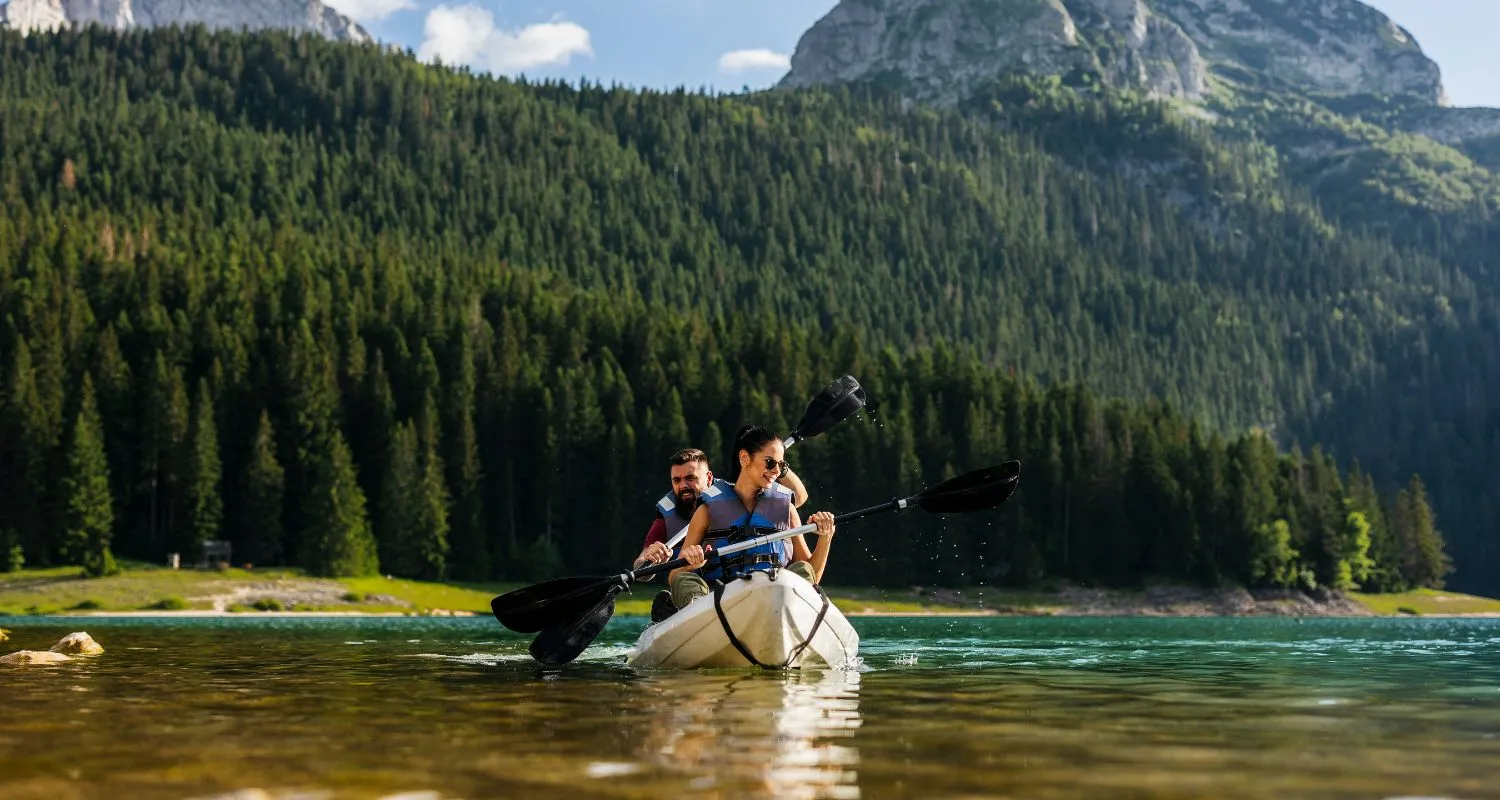
Swimming is also possible in summer, although the water temperature remains low due to its glacial origin. Entry into the water usually happens at natural, unmarked spots along the shore, and swimming is refreshing and, most importantly, safe.
When to Plan Your Visit to Black Lake in Montenegro?
Visiting on weekdays is generally ideal, as there are significantly fewer visitors and the experience is more peaceful. The period from late spring to autumn is considered the most suitable, since trails and facilities are fully accessible. Summer brings stable weather and longer days, while early autumn offers milder temperatures and fewer crowds.
It is also worth considering an early morning arrival during peak season, especially if you are coming by car. Entrance tickets purchased at the gate are valid for the entire national park, which makes it easy to combine a visit to the lake with other nearby locations.
How to Get There?
The lake is located just a few kilometers from Žabljak and can be reached by an asphalt road, on foot, or by car. However, due to the mountainous terrain and frequent weather changes, arriving by vehicle often proves to be the most practical option. In autumn, winter, and early spring, the road can be wet, icy, or snow-covered.
For this area, renting a four-wheel-drive vehicle is recommended, as it provides greater stability and safety in all seasons. Such a vehicle allows easier access not only to the lake itself, but also to other parts of Durmitor that are more remote or less connected by public transport. This makes exploring the area more flexible and reliable throughout the year.
What Else to Visit Nearby?
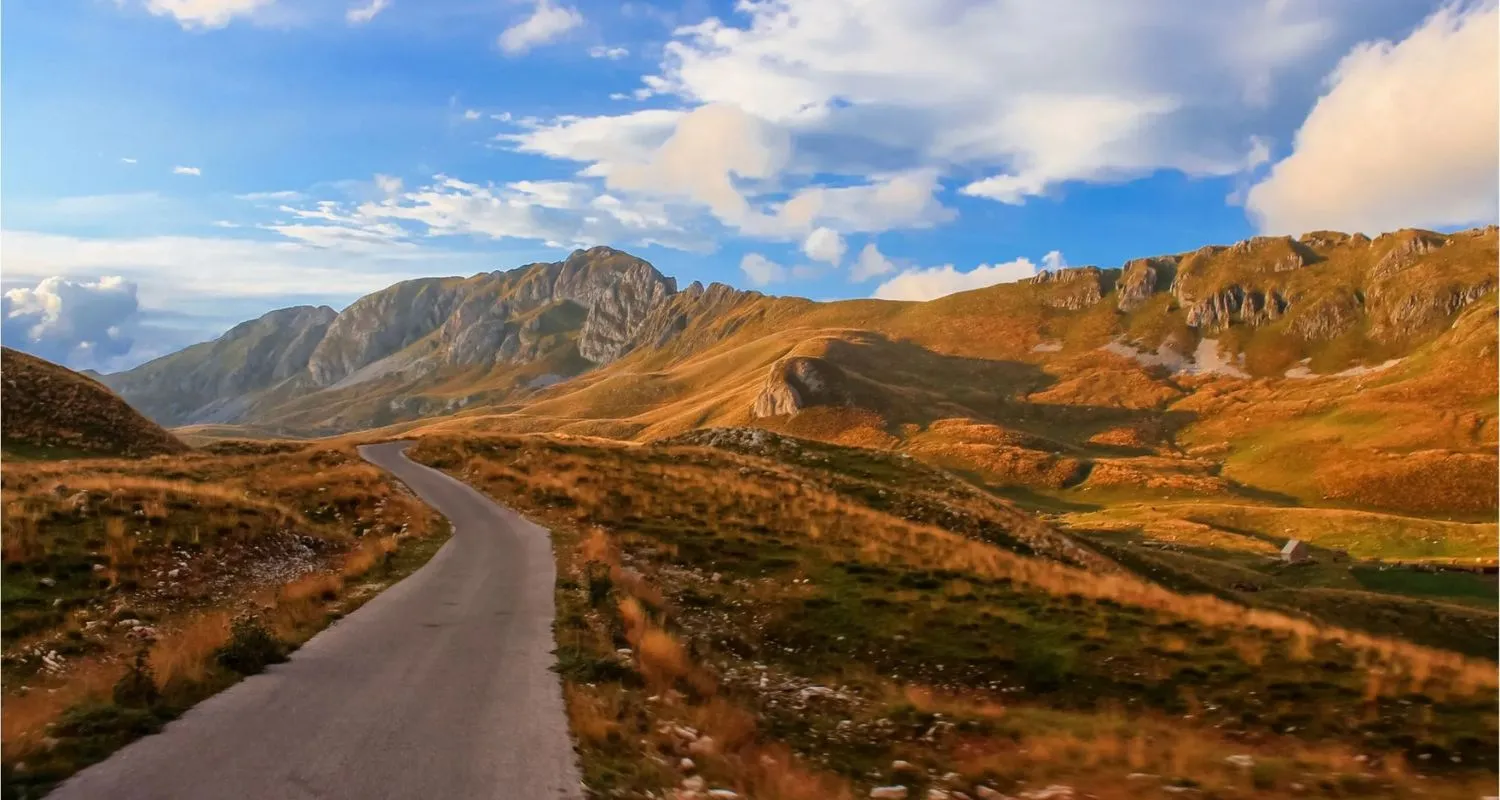
If you are visiting Black Lake in Montenegro, it is worth using the day to explore several nearby attractions. Durmitor is not about a single spot, but rather a connected circle of natural and cultural sites—some of the most rewarding things to see in Montenegro—that are easy to combine. With good planning, a visit to the lake can become an introduction to a much broader experience of the region.
We suggest considering:
- Tara Canyon and Đurđevića Tara Bridge – one of the most famous views in Montenegro, with options for walking and zip-lining.
- Rafting on the Tara River – ideal for a more active day, with the season usually running from spring to autumn.
- Stećci near Žabljak – medieval tombstones scattered across nearby villages, interesting even if you are not a typical museum visitor.
- Zminje Lake – a quieter alternative with fewer people and a pleasant forest walk.
- Via Ferrata Piva – Montenegro's first certified via ferrata, carved into the walls of Piva Canyon above a turquoise river
Planning tip: If you plan to visit several locations in one day, leave the lake for early morning or late afternoon, and adjust the rest of your itinerary based on weather and crowd levels.
In Conclusion
After everything we have covered, it is clear that this part of Durmitor offers much more than a single beautiful view. It is an area that is easy to explore, yet leaves a strong impression through its nature, available activities, and the wider surroundings. That is exactly why many visitors return, each time with a different plan, and never leave disappointed.
Whether you come for a short walk, an active day outdoors, or to explore nearby sites, your stay can easily match your own pace. The combination of mountains, water, and solid infrastructure creates a high-quality and truly unique experience. In the end, Black Lake in Montenegro remains the point that ties together everything Durmitor has to offer, and the reason you will remember this region long after you return home.
Frequently Asked Questions
Where is Black Lake in Montenegro located and how much is the entrance fee?
Black Lake in Montenegro is located at 1,416 meters above sea level in Durmitor National Park, about 2.5 kilometers from Žabljak. The entrance fee is €5 per person, children under seven enter free, and the ticket is valid for the entire national park.
What are the best times of year to visit Black Lake in Montenegro for optimal weather conditions?
Summer offers the warmest weather, with temperatures around 19°C, making it ideal for hiking, boating, and swimming. Autumn brings higher water levels that merge the two lakes, while spring and winter provide quieter visits with snowmelt phenomena or snowy landscapes, depending on conditions.
Can you provide details on the hiking trails available around Black Lake in Montenegro?
The Educational Trail circles the lake for about 3.5 kilometers and is suitable for most fitness levels, though it includes stairs and rocky sections. Additional trails range from easy routes to Zminje Lake to more demanding hikes toward Bobotov Kuk and Ledena Pećina, where proper equipment and planning are required.
What kind of flora and fauna can one expect to see at Black Lake?
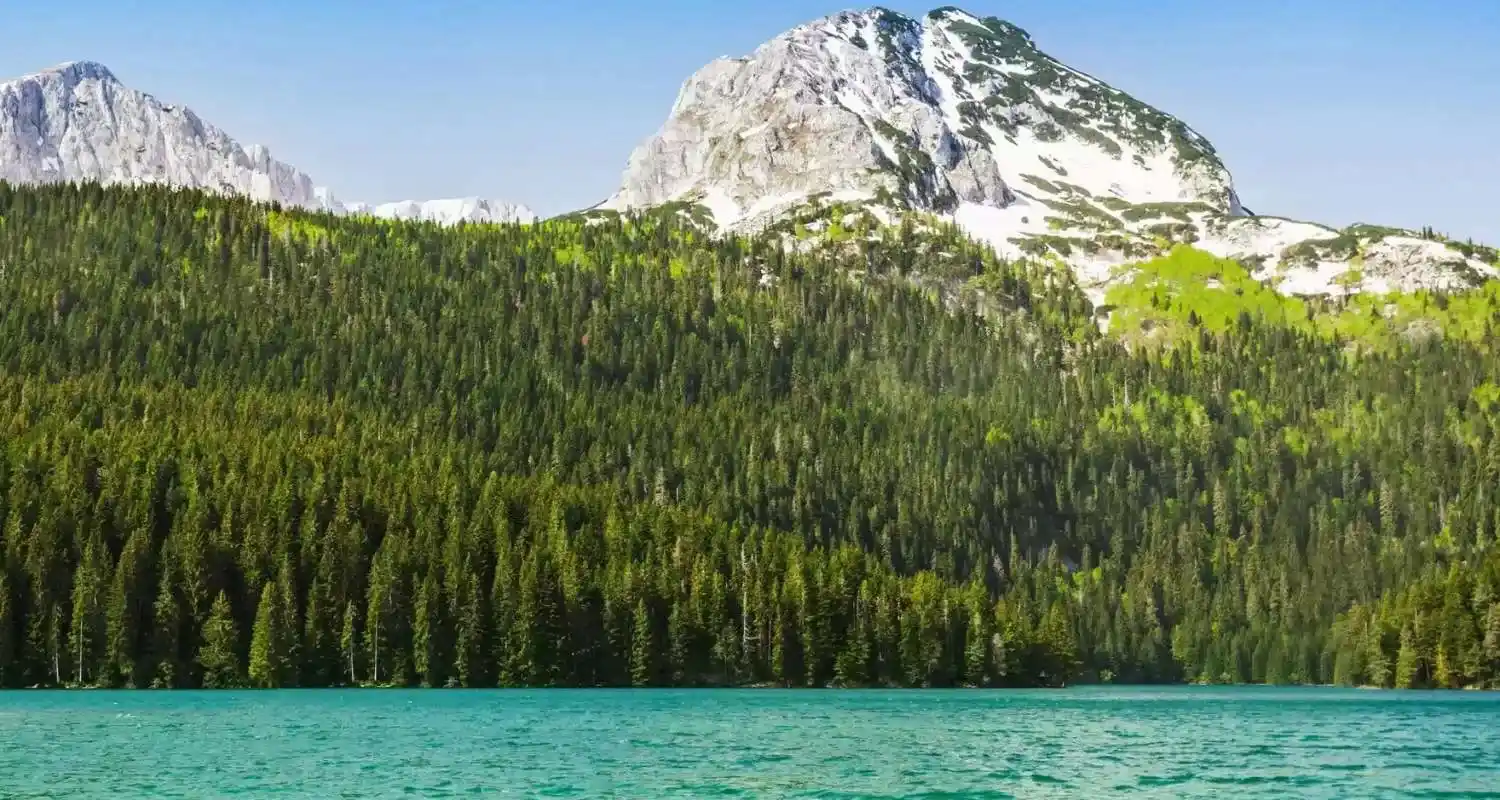
Around Black Lake in Montenegro, dense spruce, pine, and fir forests create the dark reflections the lake is known for. You can spot birds of prey, deer, foxes, and other small mammals, while bears and wolves typically stay deeper in Durmitor National Park, away from busy visitor areas.
Are there any accommodation facilities near Black Lake in Montenegro for overnight stays?
There are several accommodation options in and around Žabljak, ranging from hotels and guesthouses to apartments and mountain chalets. Staying in Žabljak keeps you close for an easy visit to Black Lake in Montenegro, while nearby villages offer a quieter, more remote atmosphere.
What are the regulations or restrictions one should be aware of when visiting Black Lake in Montenegro?
An entrance ticket must be purchased at the park gate, and it covers access to all of Durmitor National Park. Hiking beyond marked trails requires proper equipment, swimming is allowed in summer, and rowboats can be rented directly at the lake.

 Instagram
 Whats App