
+382 69 269 000

+382 67 026 062

+382 69 077 022
Road Trip in Montenegro: Winter Roads and Key Tips
Plan a safe winter road trip in Montenegro with tips on mountain driving, holiday traffic, equipment, and practical advice for navigating changing conditions.
Planning a road trip in Montenegro during the winter months offers a mix of quiet landscapes and routes that demand a bit more attention. Mountain areas can bring snow and colder winds, while the coast often remains milder and easier for driving. Because of these contrasts, it helps to prepare carefully so every part of the journey feels steady and predictable.
Winter roads here connect seaside towns, narrow canyons and high plateaus, creating a route that shifts character as you move across the country. These changes make it useful to check local forecasts and road reports before each longer section. With a bit of planning, the trip remains calm and enjoyable even when the weather becomes less forgiving, and in the sections ahead you will learn how to approach each part of the journey with confidence.
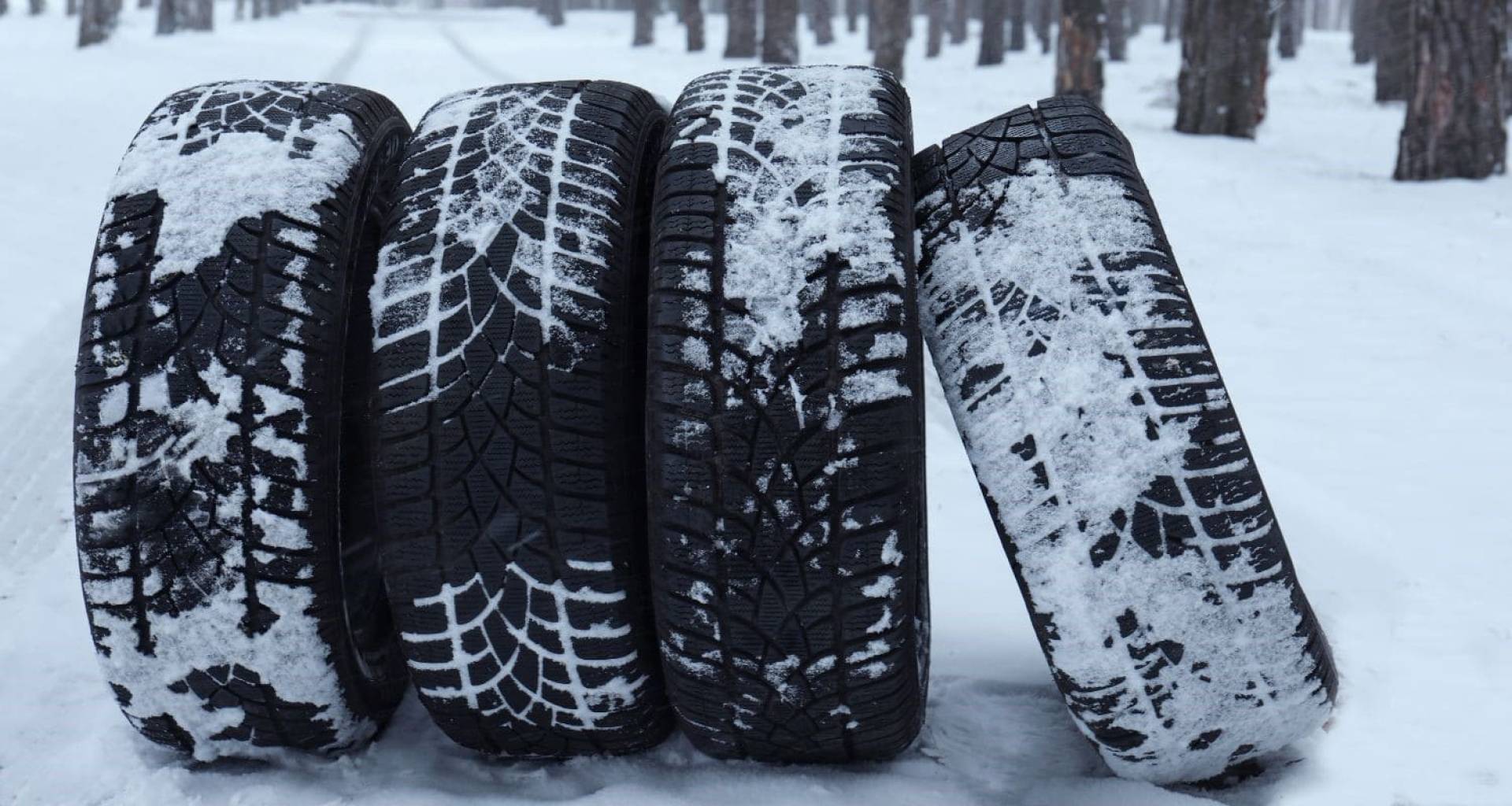
Preparing for Winter Roads in Montenegro
Planning a winter road trip in Montenegro means adjusting to conditions that often shift between the mild coast and colder mountain regions. These differences make preparation an important part of the journey, especially when travelling through areas where snow can appear suddenly. With a careful approach, the trip remains steady and comfortable even when weather forecasts suggest unstable conditions.
What to Pack Before Departure?
Before leaving, check that your vehicle has tyres suitable for winter conditions, since the law requires proper equipment whenever snow or ice forms on the road. Snow chains are useful to keep in the trunk, as some higher routes become difficult without additional traction during colder days. A short checklist helps keep everything organised and reduces delays if conditions worsen along the way.
Practical items to prepare include:
- winter tyres with enough tread depth
- snow chains or traction aids for steep or icy sections
- windshield washer fluid that does not freeze at lower temperatures
- reflective vest, warning triangle and a basic first-aid kit
- gloves, flashlight and a cloth for clearing lights or mirrors
These essentials allow the journey to continue smoothly, especially on routes that shift from dry coastal stretches to colder mountain curves.
What Are the Key Winter Rules and Fines Drivers Must Follow in Montenegro?
Montenegro enforces several regulations when winter conditions appear, and drivers need to follow them carefully to avoid interruptions. Vehicles must have winter equipment when roads become snowy or icy, and police may prevent further driving if the equipment does not meet requirements. This is particularly important for travellers who include mountain sections in their road trip in Montenegro, since these areas experience faster weather changes.
For drivers who travel without required winter tyres or other winter equipment during this period, fines generally range from 300 to 1,000 euros, and in more serious cases the court may impose up to 60 days in jail. Companies that operate vehicles without proper winter equipment can be fined between 2,000 and 6,000 euros, while the responsible person in the company may face fines from 1,200 to 3,000 euros.
The legal alcohol limit remains at 0.3‰, while novice and professional drivers must maintain 0.0‰ throughout the year. If authorities determine that a driver has exceeded the allowed limit, fines can be high and may reach up to 2,000 euros, depending on the violation. Police also recommend slower driving, greater distance and early use of lights on days with poor visibility, as these simple habits reduce risk on roads that often become narrow or slippery during winter.
Navigating Snowy Conditions and Mountain Routes
Winter driving across Montenegro changes noticeably once the road climbs toward colder areas where snow and ice appear more often. These shifts can briefly interrupt the rhythm of a road trip in Montenegro, especially when visibility drops or temperatures fall quickly. Because of this, drivers benefit from steady pacing and careful planning before entering any high-altitude section.
Driving Through Mountain Areas and Expected Challenges
Mountain regions often create sudden changes that challenge even experienced drivers, particularly after nights of frost or unexpected snowfall. Ice may form on shaded curves, while fog settles in narrow valleys and reduces visibility on steeper slopes. These conditions can briefly interrupt the flow of a winter road trip in Montenegro, especially when snowdrifts block certain routes and make regular checks of road conditions essential.
Key points to consider include:
- Starting the drive earlier in the day when visibility is clearer and temperatures remain more stable.
- Monitoring weather forecasts frequently because mountain conditions shift faster than coastal ones.
- Maintaining greater distance between vehicles as icy corners and narrow passages require slower, more deliberate movements.
- Avoiding overtaking on exposed or slippery bends where road markings may be partially covered by snow.
If the route becomes difficult due to fog, wind or ice, a short break or a changed plan often brings a safer and calmer continuation of the journey.
Typical Winter Conditions on Key Routes in Montenegro
Some of the main winter routes in Montenegro share similar challenges, but each has details worth knowing before you start driving. Understanding these sections helps you adjust speed, timing and expectations so that conditions feel demanding but not overwhelming.
- Podgorica - Cetinje - Budva
This route often brings sudden changes in visibility, especially on the stretch above Budva. Dense fog can appear quickly on higher ground, so drivers should be ready for slower speeds and shorter sight lines. - Boka - Nikšić - Žabljak
In periods of heavy snowfall, temporary closures can occur near the Šavnik area. Snowdrifts and strong winds make these high sections more demanding, which is why checking road status before departure is important. - Podgorica - Bar
This road is usually among the more stable winter routes, but shaded bends above the tunnels can become slippery during cold and wet days. Reducing speed in these areas helps keep braking distances under control. - Smokovac - Mateševo Motorway
The motorway is often the safest choice for travelling north, yet winter can still bring fog, ice patches and stricter speed limits. Because of the altitude and mountain terrain, weather may change faster than expected. - Access Roads to Žabljak and Bjelasica
Approaches to the main winter centres see more traffic and usually more snow than surrounding areas. On days with heavier snowfall, chains or extra caution may be needed on the final climbs toward the ski resorts.
Note: If you want to follow updates on police patrols and road conditions in Montenegro, communities such as Patrola CG can be useful additional sources. Use them as an extra information channel alongside official reports.
Panoramic Roads in Montenegro During Winter
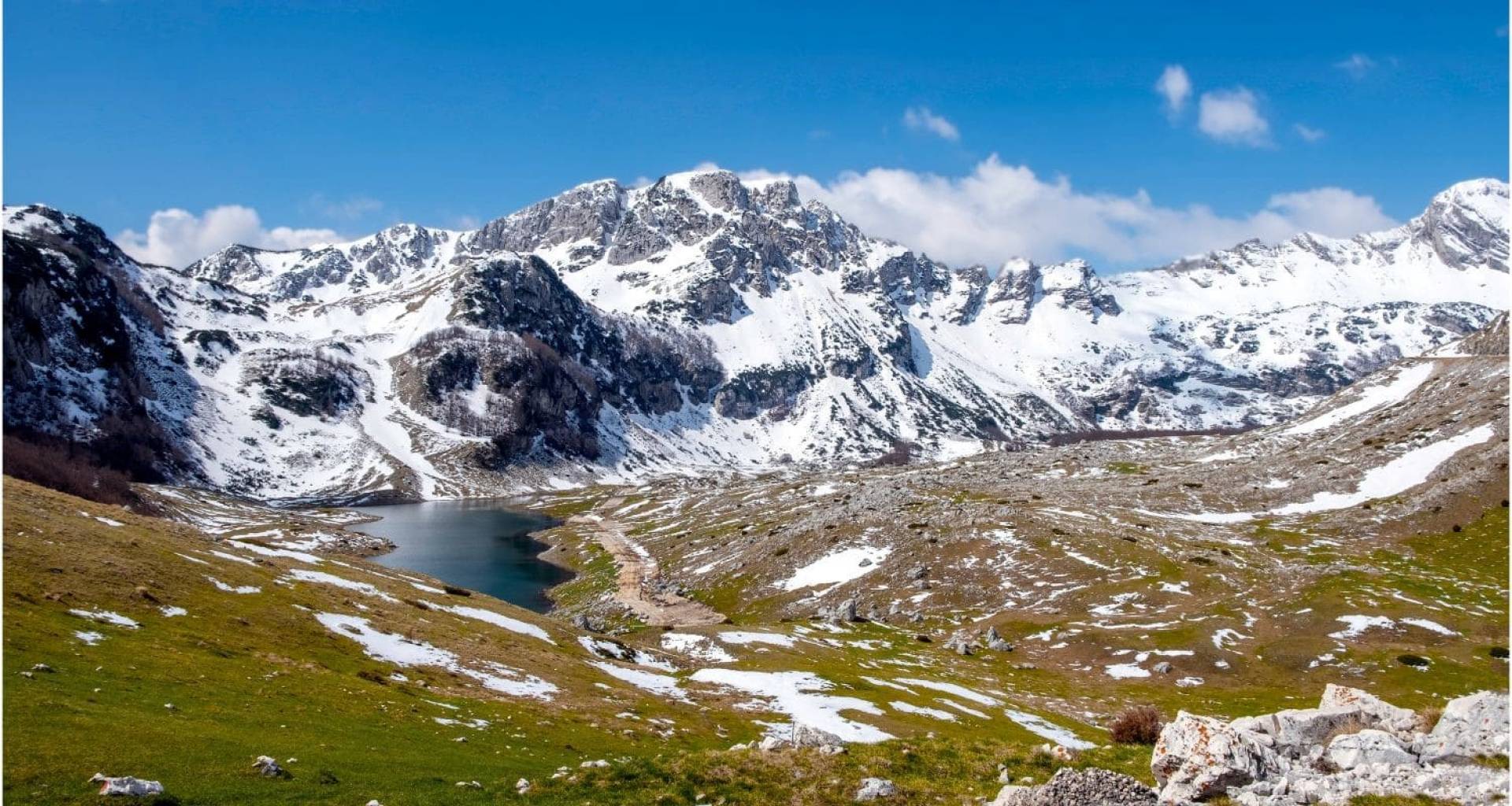
Many panoramic roads in Montenegro remain accessible through winter, offering wide views of snow-covered valleys and quiet plateaus. These same routes can also feel demanding when colder winds sweep across exposed sections and reduce traction unexpectedly. Drivers who enjoy scenic detours should consider shorter daylight hours and the likelihood of slower progress on elevated terrain.
Practical suggestions include:
- Confirming whether the chosen panoramic route is fully open after recent snowfall or strong winds.
- Using winter tyres and carrying chains, as traction becomes essential on long descents and sharp mountain curves.
- Planning shorter stages each day to avoid driving after dark when temperatures drop and ice forms faster.
- Keeping an alternative route in mind in case part of the mountain road becomes temporarily restricted.
With thoughtful preparation and steady attention, these panoramic sections remain memorable highlights during a winter road trip in Montenegro, offering silence, open views and a sense of calm that is unique to the colder months.
Durmitor Ring Road in Winter
After looking at how winter conditions affect both mountain passages and panoramic routes across the country, the Durmitor region stands out with some of the most striking views. The Durmitor Ring road is one of the most popular yet also one of the most demanding circuits, especially during colder months when weather changes quickly. Because many travellers include this route in their winter road trip in Montenegro, understanding its conditions helps ensure a safer experience.
Winter on the Durmitor Ring often brings strong winds, icy sections and sudden drops in visibility, particularly on higher plateaus. Some parts of the road become narrow as snow accumulates along the edges, making slower driving and careful positioning essential for maintaining control. Drivers should also expect sharp bends and exposed ridgelines where traction may decrease without warning.
It is generally advisable to avoid the Durmitor Ring during heavy snowfall or when forecasts predict strong winds that reduce visibility across open sections. When conditions appear more stable, preparation becomes the key factor for a safe and steady drive around the massif. Carrying winter tyres, chains and extra warm layers adds a layer of security, while checking road reports and leaving enough daylight for the full circuit helps prevent unexpected delays.
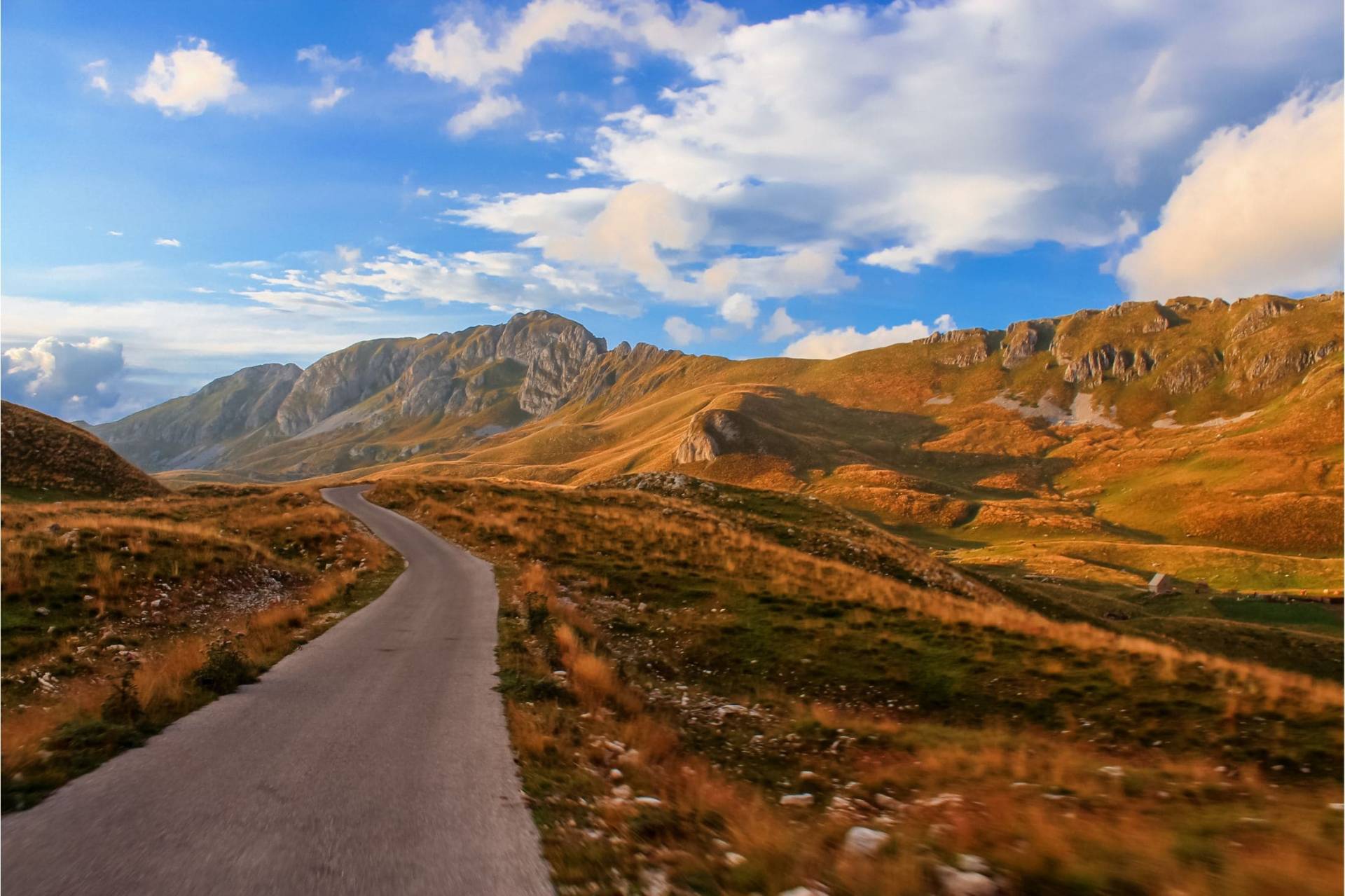
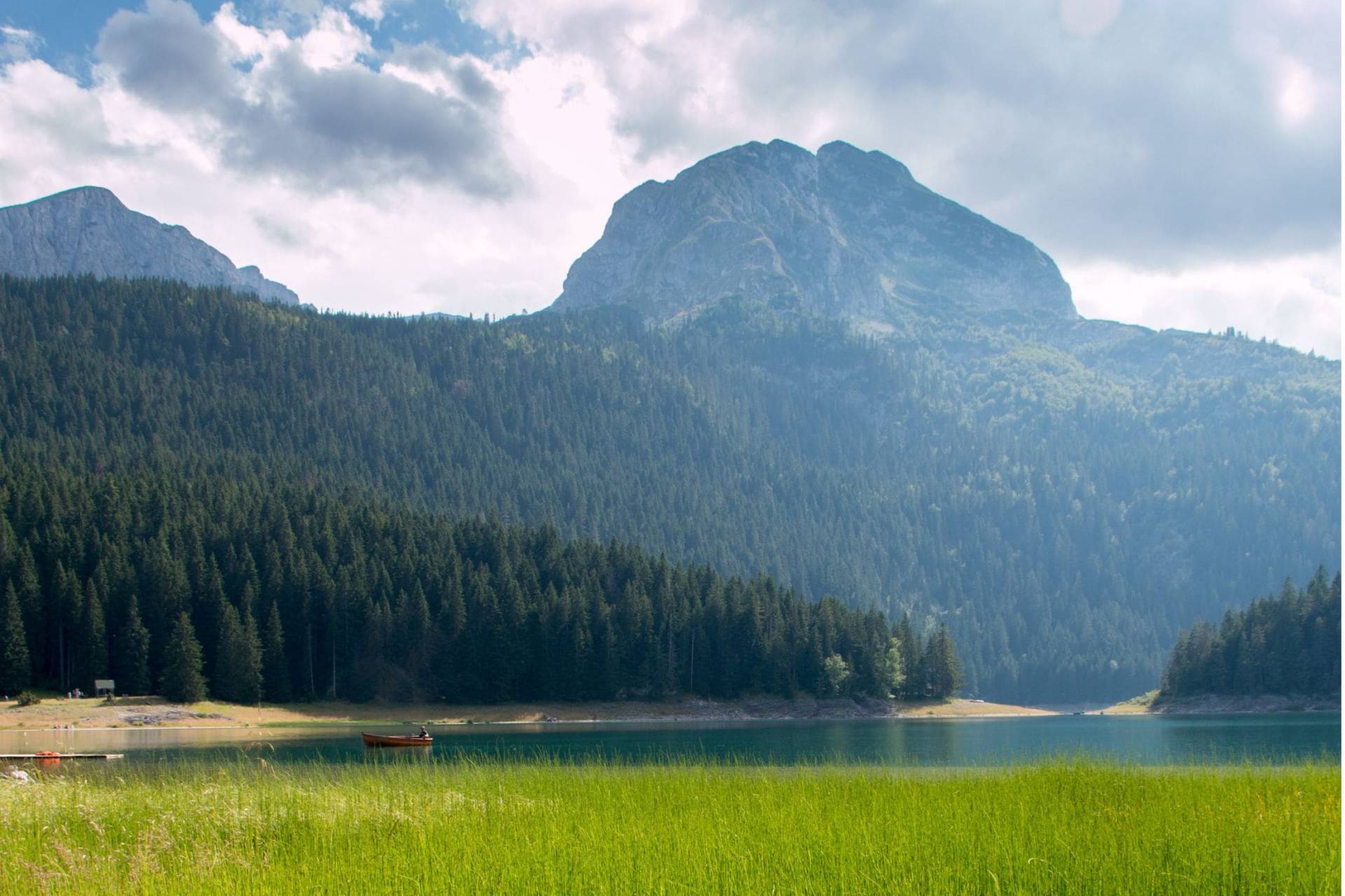
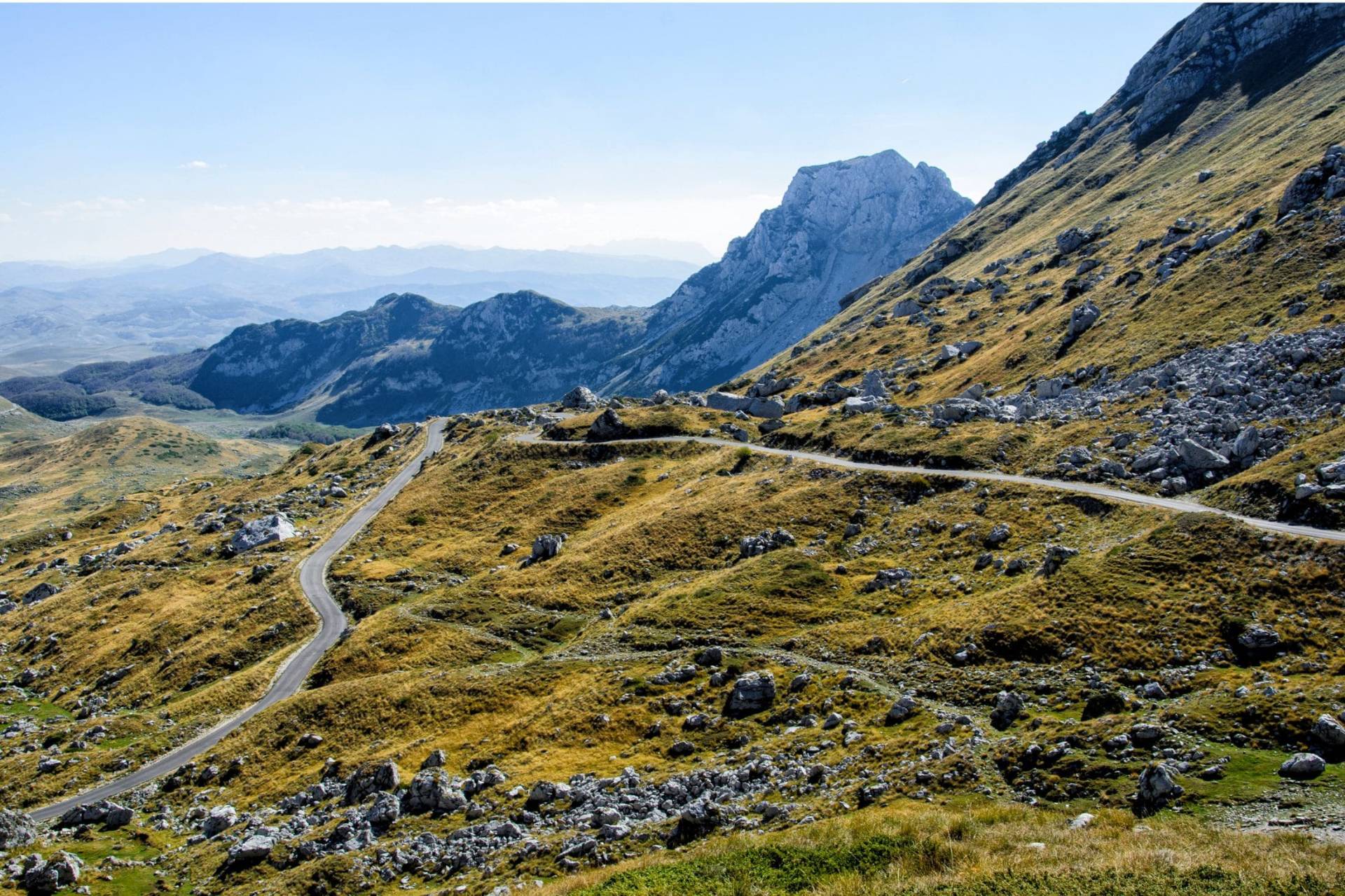
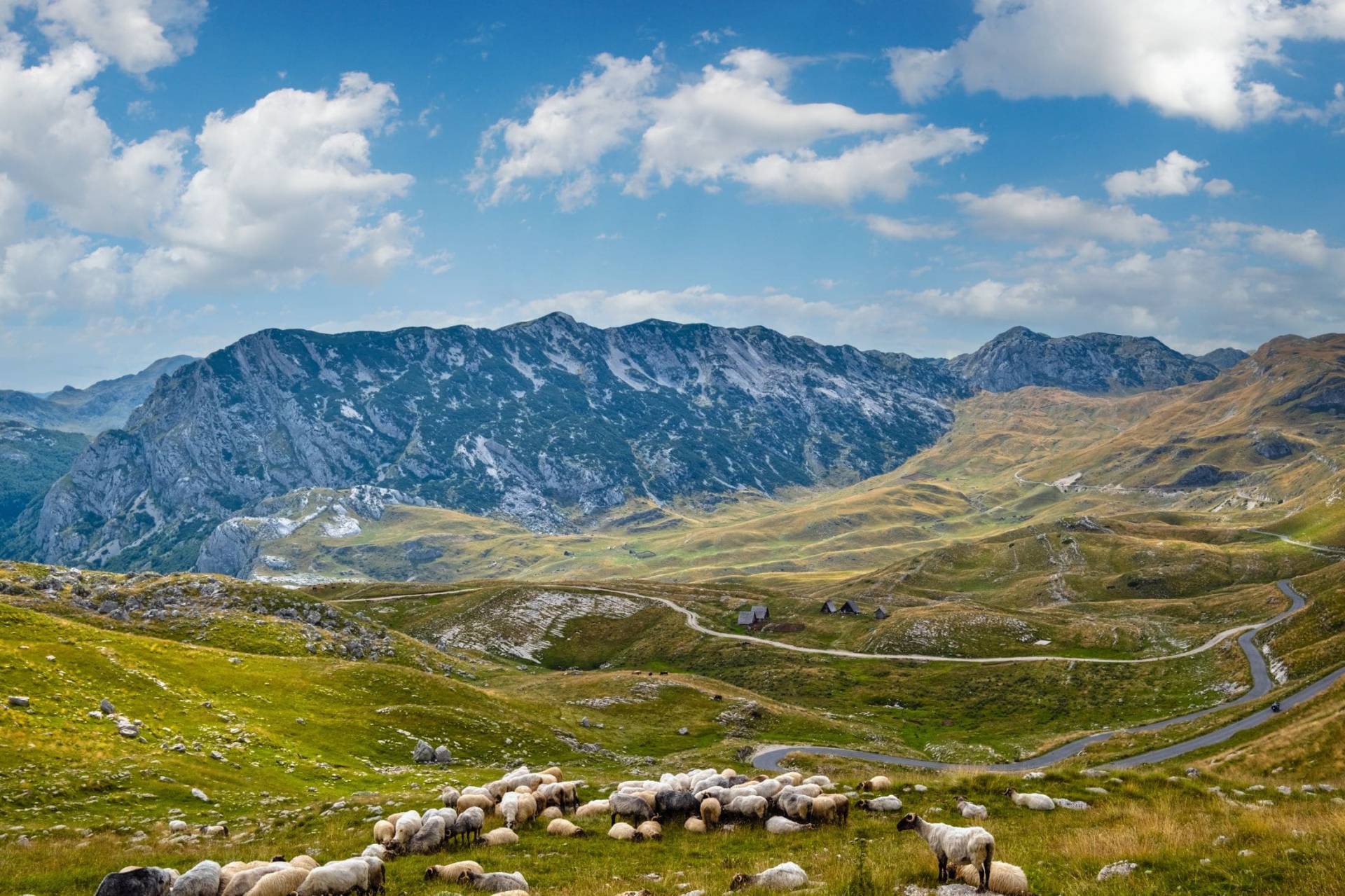
Key Checkpoints on the Durmitor Ring Road
- Žabljak
- Sedlo Pass
- Dobri Do Plateau
- Valovito Lake
Holidays in Montenegro and Increased Traffic
After considering how winter conditions shape travel across mountain areas and scenic routes, it is useful to understand how holiday periods influence movement through major towns and resorts. Celebrations during December and early January attract both locals and visitors, creating a different rhythm on the roads. Because many travellers plan their winter road trip in Montenegro around these events, recognising typical congestion patterns helps avoid delays.
Holiday and New Year Crowds on the Roads in Montenegro
Traffic increases noticeably in the days leading up to New Year’s Eve, especially on routes connecting coastal towns with the central region. Congestion often appears near Podgorica’s larger intersections, the main approach to Budva, and the tunnel areas on the route between Bar and the capital. These patterns become stronger in the late afternoon when many travellers move toward organised events or return from shorter winter trips.
Useful approaches include choosing earlier departures, selecting weekdays instead of weekends and allowing extra time when passing through major holiday destinations. Drivers should also consider the reduced daylight hours, since peak movement often begins just as visibility becomes limited. Planning around these tendencies brings a calmer and more predictable travel experience during the busiest part of the season.
Locations with Organized Celebrations and Their Traffic Impact
Large public celebrations in Montenegro are mainly concentrated in Podgorica, Kolašin, Žabljak and the coastal towns, each bringing additional pressure on nearby roads. Podgorica hosts central concerts and gatherings that draw visitors from several regions, increasing traffic toward the city centre and its main boulevards. In Kolašin and Žabljak, winter festivities combined with ski tourism cause heavier flow on the approaches to the towns, particularly when fresh snowfall attracts more weekend visitors.
These holiday movements often shape the pace of a winter road trip in Montenegro, especially for travellers combining mountain routes with evening events or coastal stays. Along the coast, places like Budva, Bar and Herceg Novi prepare open-air New Year events that generate steady movement near promenades and central parking zones. These gatherings create short periods of congestion as people arrive before midnight and depart shortly afterwards.
By adjusting the timing of travel and monitoring expected crowd peaks, drivers can move through these areas more smoothly and maintain a safer rhythm throughout the holiday period.
Final Tips for a Safe and Smooth Winter Road Trip in Montenegro
Planning a winter road trip in Montenegro becomes much easier when every part of the journey is approached with calm preparation and realistic expectations. Shorter days, colder temperatures and changing road conditions mean that timing often matters as much as the route itself. Because of that, a few practical choices can help keep the trip steady and enjoyable.
Practical Advice for Winter Travel Across Montenegro
Winter driving in Montenegro becomes easier when approached with clear routines that help maintain steady control in changing conditions. Starting each driving day earlier avoids evening frost and gives enough time to reach the next town while daylight remains. Keeping the fuel tank at least half full is wise because some mountain stations operate with shorter hours during colder weeks, especially when planning a longer winter road trip in Montenegro.
Practical steps that help during winter travel include:
- beginning the day’s drive in the morning when temperatures are more stable and visibility more reliable
- carrying a cloth for mirrors, warm tea in a thermos and a portable charger for areas with limited signal coverage
- checking road conditions daily, since strong winds or low clouds often change mountain routes without much warning
- choosing accommodation with dedicated parking to prevent delays caused by overnight snowfall around the vehicle
- preparing short daily stages instead of long transitions, which allows safer movement across higher terrain in winter
These simple habits allow winter travel to remain calm and controlled, even when conditions shift unexpectedly across Montenegro’s varied landscapes.
Why Rent a Car in Montenegro Is an Ideal Option?
Renting a vehicle offers flexibility that suits winter travel, especially when plans include both coastal towns and mountain areas where conditions change quickly. A rented car lets travellers adjust their route without depending on limited seasonal bus schedules, which can be reduced during holidays or periods of poor weather. It also allows choosing a model with reliable winter performance, which becomes important on narrow plateaus or shaded mountain curves.
Concluding Thoughts for a Safe and Enjoyable Winter Journey
Now that you understand the main winter conditions, holiday patterns and mountain challenges across Montenegro, planning becomes a far more confident process. The routes you choose, the timing of each departure and the preparations you make all work together to shape a calm and steady experience. With a realistic approach and attention to the changing landscape, winter travel remains rewarding and filled with moments that feel both quiet and memorable.
After everything covered in this blog, the key is to combine patience with practical steps that support safety on every part of the journey. Shorter days, colder nights and shifting weather call for measured decisions, yet they also reveal some of the most peaceful scenes you can encounter during a winter road trip in Montenegro.
FAQ:
Is it safe to plan a winter road trip in Montenegro?
It can be safe if you respect winter conditions and prepare properly. Use winter tyres, check the forecast and avoid driving in heavy snow, especially when planning a winter road trip in Montenegro. With realistic planning and flexible timing, most routes remain manageable.
Do I need winter tyres and chains in Montenegro?
Yes, winter equipment is required whenever snow, ice or frost appears on the road. Winter tyres are essential, and carrying chains is strongly recommended for mountain areas. Police may stop you from continuing if your equipment is not adequate.
Which areas are the most challenging to drive in during winter?
Mountain regions such as Durmitor, around Kolašin and Žabljak, are usually more demanding. Expect ice on shaded bends, stronger winds and sudden fog. Coastal roads are generally easier but can still be slippery during cold, wet days.
How busy are the roads during New Year and holiday celebrations?
Traffic increases near Podgorica, Budva, Bar and popular ski towns in the days around New Year’s Eve. Congestion usually peaks in late afternoon and shortly after midnight. Planning earlier departures helps avoid the heaviest queues.
What should I pack for a winter road trip in Montenegro?
Pack winter tyres, chains, a scraper, non-freezing windshield fluid and warm clothing, as these items support a safe and steady road trip in Montenegro. A thermos, phone charger and small torch are very useful during longer drives. Keeping the fuel tank at least half full adds extra security in remote areas.
Is renting a car a good option for a winter road trip in Montenegro?
Yes, renting a car gives you flexibility to adjust routes and timing as weather changes. You can choose a vehicle better suited for winter conditions and mountain roads. This makes a winter road trip in Montenegro more comfortable and easier to manage day by day.
What happens if the police stop me in Montenegro?
Police can stop you for a routine check or if they notice a violation. They may ask for your driving licence, passport, vehicle papers and rental contract, and can check winter tyres, chains or do an alcohol test. If you were speeding, they can show you the recorded speed and issue a ticket.
How can I pay a traffic ticket as a foreigner in Montenegro?
You can usually pay the fine at a bank, post office or payment point listed on the ticket. Some fines can be paid online. If you use a rental car, the rental company can help explain how and where to pay.

 Instagram
 Whats App