Things to Do in Kotor Beyond the Old Town
Looking for things to do in Kotor? A guide to the San Giovanni Fortress, Perast, Njeguši and Lovćen, with realistic time estimates and practical tips.
Kotor itself takes half a day to see, while exploring the entire bay needs at least three. That is the math most visitors only work out once they arrive. The Old Town is the first place everyone heads to, and you can walk through it in two to three hours, even if you pause in the squares, glance inside a few churches and have a coffee somewhere in the shade. After that comes the awkward question: what are the things to do in Kotor once you have seen the Old Town?
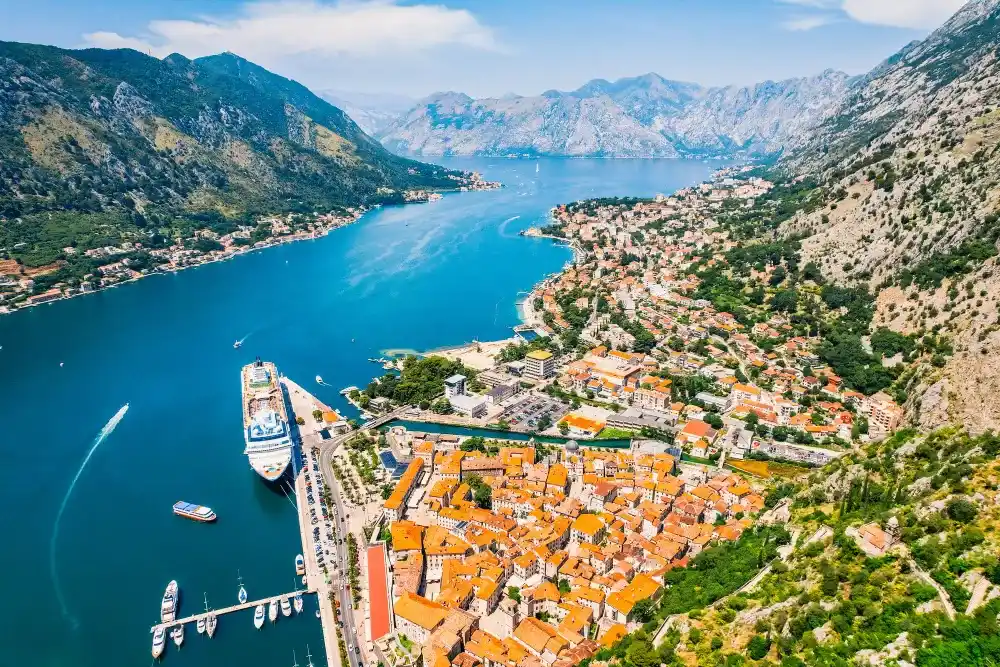
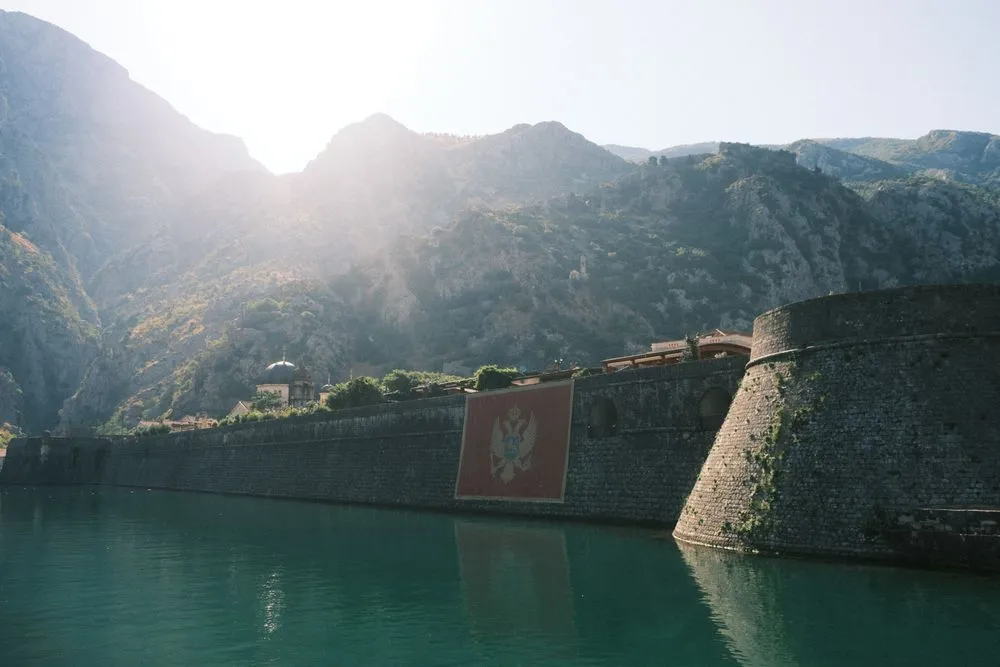
Only then does the real acquaintance with Kotor begin, along with everything that makes it special. The Old Town is just its best known part, while the rest of the story continues along the walls, up to the fortress above the town, around the shore of the bay and out to places you do not reach by chance.
In this article we will go through, in order, what genuinely deserves your time, from the Old Town and the climb up to the fortress, on to Perast and a boat ride across the bay, all the way to Njeguši and Lovćen. The one thing that matters is getting a sense of the distances in advance. Perast is about 12 kilometres from Kotor, Njeguši around 20, while the Njegoš Mausoleum on Lovćen sits roughly 33 to 35 kilometres away, depending on the route you choose.
A bus can be enough for getting around along the coast, but the moment your plan involves anything above sea level, a car becomes almost essential. The most practical option is to rent one, because in this area the best part of the day often happens exactly between two planned stops.
What Are the Best Things to Do in Kotor?
The best things to do in Kotor are not limited to what sits inside the town walls. Part of your time should go to the fortress above the town, a boat ride across the bay and the places strung out along the shore. If you are staying longer, Njeguši, Vrmac and Lovćen reveal an entirely different side of this area.
1. See the Old Town of Kotor
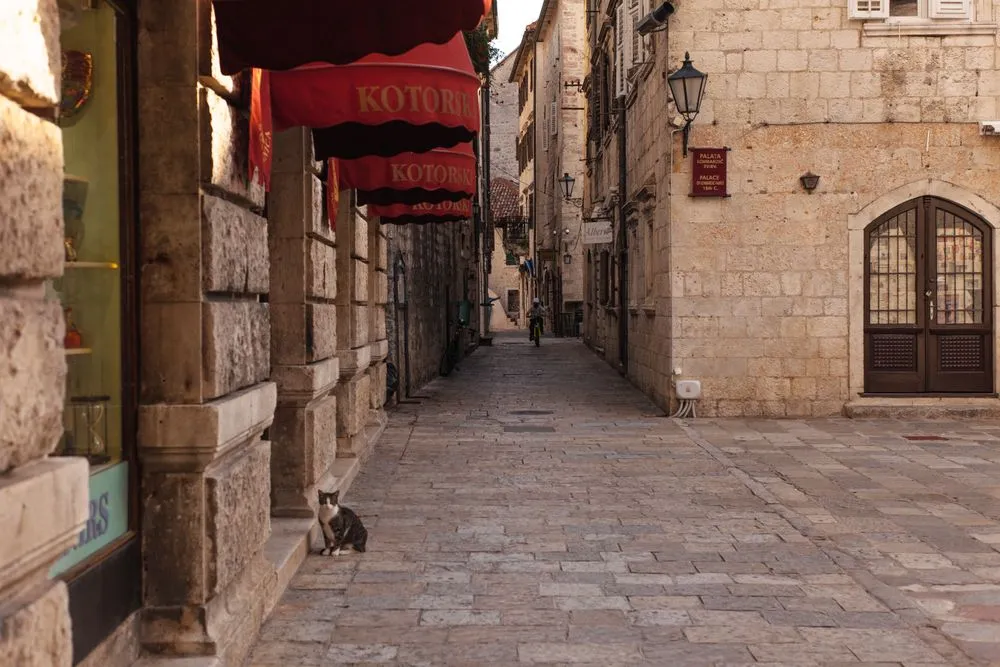
Walk through the squares, the narrow streets and the passages inside the walls, but without feeling you have to step into every souvenir shop and museum. What pays off most is simply walking at an unhurried pace and occasionally turning off the main route.
2.Climb up to the San Giovanni Fortress
The climb is demanding, especially in summer, but the view over the town and the bay makes the effort worth it. It is best to set off early in the morning or towards evening, when the sun is not at its strongest.
3. See the Bay of Kotor from a boat
The bay looks completely different from the water than it does from the shore. A short ride is enough to take in the old settlements, the stone houses and the mountains that drop almost to the sea. For those still choosing what to do in Kotor, a boat ride offers one of the finest perspectives on the bay.
4. Visit Perast and Our Lady of the Rocks
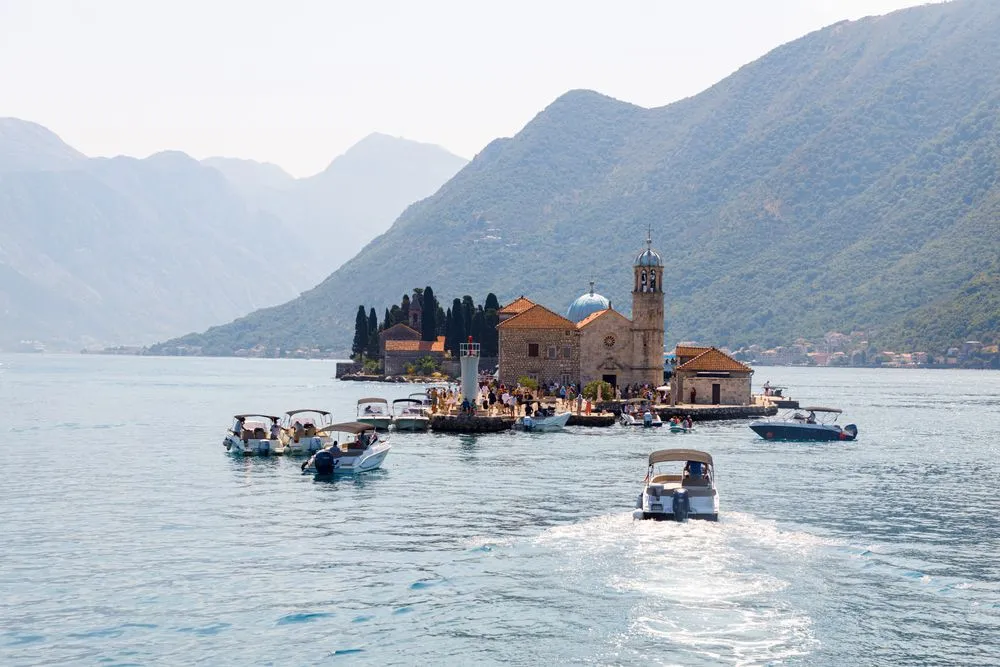
Perast is small and does not call for a whole day, but it is worth a few hours. The ride out to the island of Our Lady of the Rocks is short and gives a lovely view of the coast and the surrounding mountains.
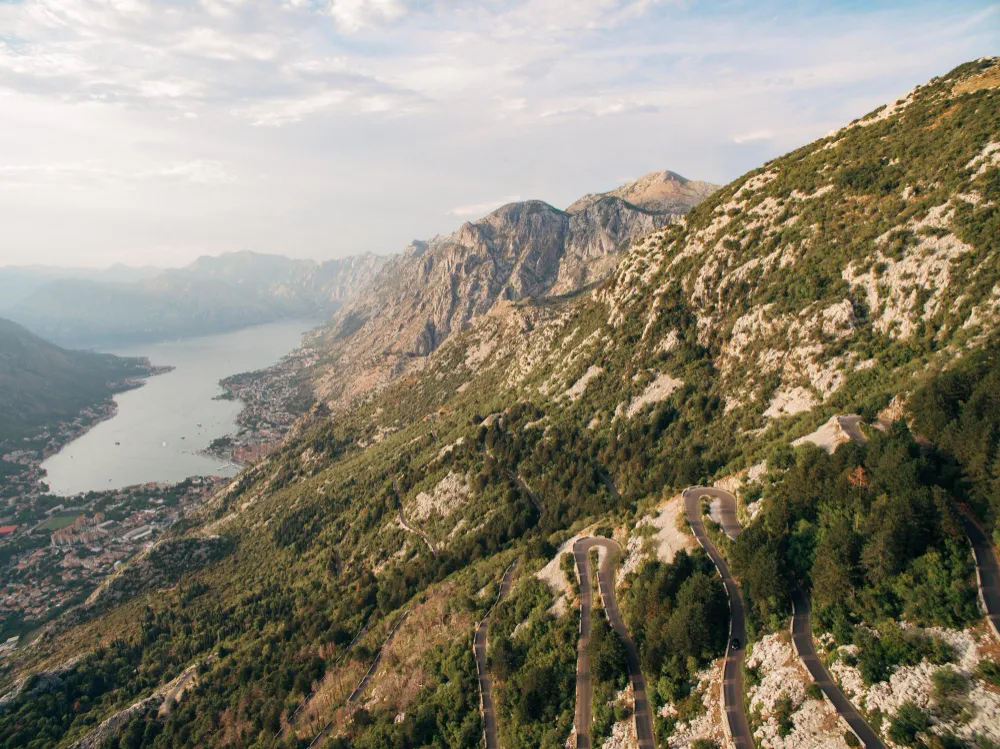
5. Take the old Austro-Hungarian road towards Njeguši
This road is not just a way to reach Njeguši. The switchbacks and viewpoints above Kotor are among the best sights in the whole area, so the drive is not something to rush.
6. Explore Vrmac
Vrmac is a good choice for anyone after quiet, a walk and a view of the bay without the crowds. The trails are less known than the Kotor walls, yet they often offer an equally good view.
7. Head up to Lovćen
Lovćen is worth it for the mountain scenery, the fresher air and the view that opens up far above the coast. The easiest way is to combine it with the drive over Njeguši and set aside the larger part of the day for the trip. If you are choosing what to do in Kotor over a longer stay, Lovćen is one of the places you should not skip.
What Is There to See in Kotor's Old Town?
In Kotor's Old Town there is no need to rush from one landmark to the next. The town is small but dense, so its character comes through more in the details than in the number of places you managed to tick off.
How much time do you really need to visit the Old Town?
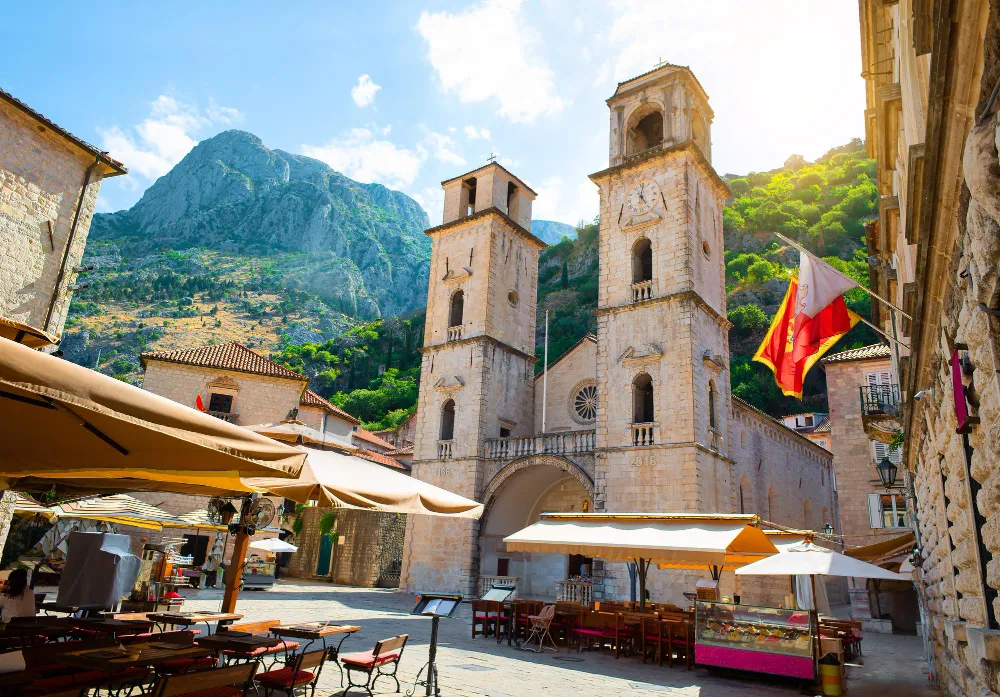
Two to three hours are realistically enough to see the Old Town. That leaves time for the Square of Arms, the Cathedral of Saint Tryphon from 1166, the Maritime Museum and a few unplanned stops for the Kotor cats, which became part of the town's picture long ago. A pace like that lets you see the most important places without rushing and with enough time for short breaks.
While you are planning what things to do in Kotor, keep in mind that the pace of your visit depends more on the crowds than on the sights themselves. Between 10 and 15h, when the cruise ships dock, some streets get so packed that walking often feels like waiting in a queue. If you can manage it, come earlier in the morning or later in the afternoon, when the crowds settle and the town reveals its quieter, more authentic atmosphere.
Is the Climb up to the San Giovanni Fortress Worth It?
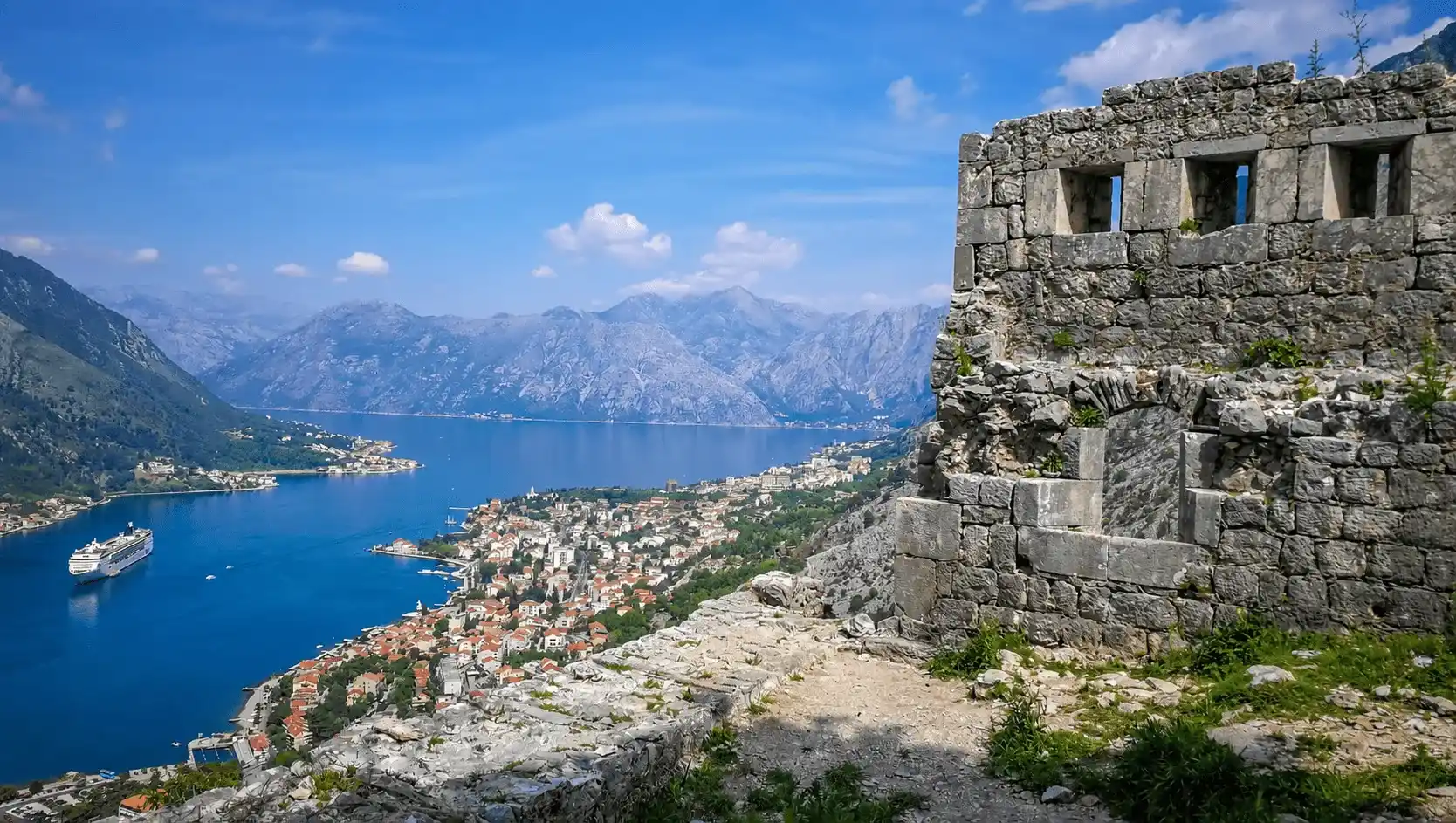
The San Giovanni Fortress is reached by around 1,350 steps and 260 metres of elevation gain, so this is not a short walk between two town attractions. Count on anywhere from an hour to an hour and a half for the climb, depending on your fitness and the number of breaks, and access via the main trail is charged. Among all the ideas for what things to do in Kotor, this climb stands out as an experience you should set aside part of the day for in advance.
In summer the timing matters more than fitness. There is almost no shade on the trail, so you should set off before eight in the morning or after 17h. There is also a free trail from the direction of Špiljari, but it is longer, rougher and a better choice for those used to hiking than for visitors in ordinary summer footwear.
What Is the Bay of Kotor Known For?
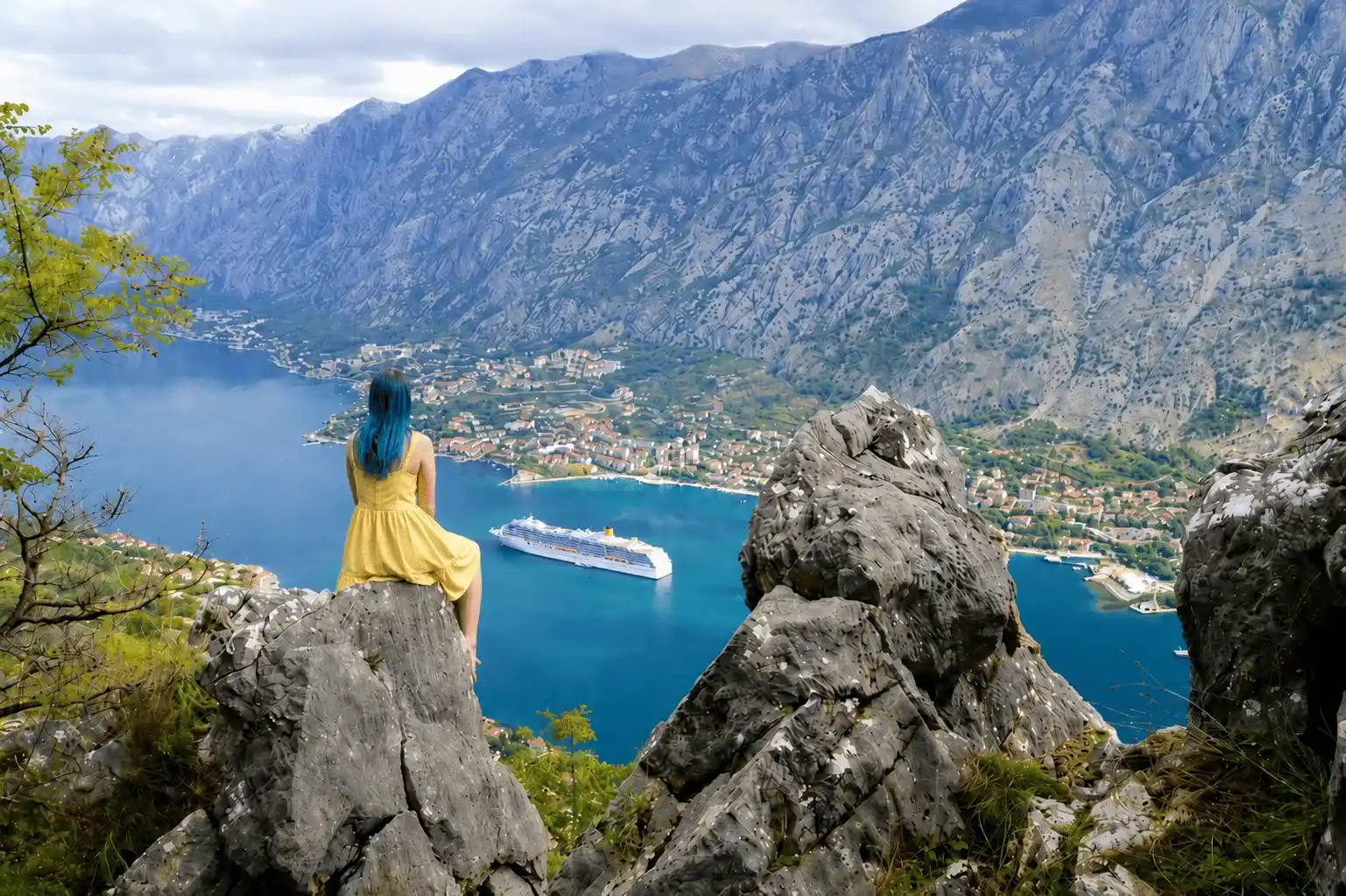
The Bay of Kotor is known for a string of small places that follow one another along the shore, each with its own rhythm and view. Among them are Kotor, Perast, Prčanj, Stoliv and other settlements around the bay. That is why some of the best things to do in Kotor are not found at a single spot, but along the whole route that connects them.
Why is the Bay of Kotor called a fjord when it isn't one?
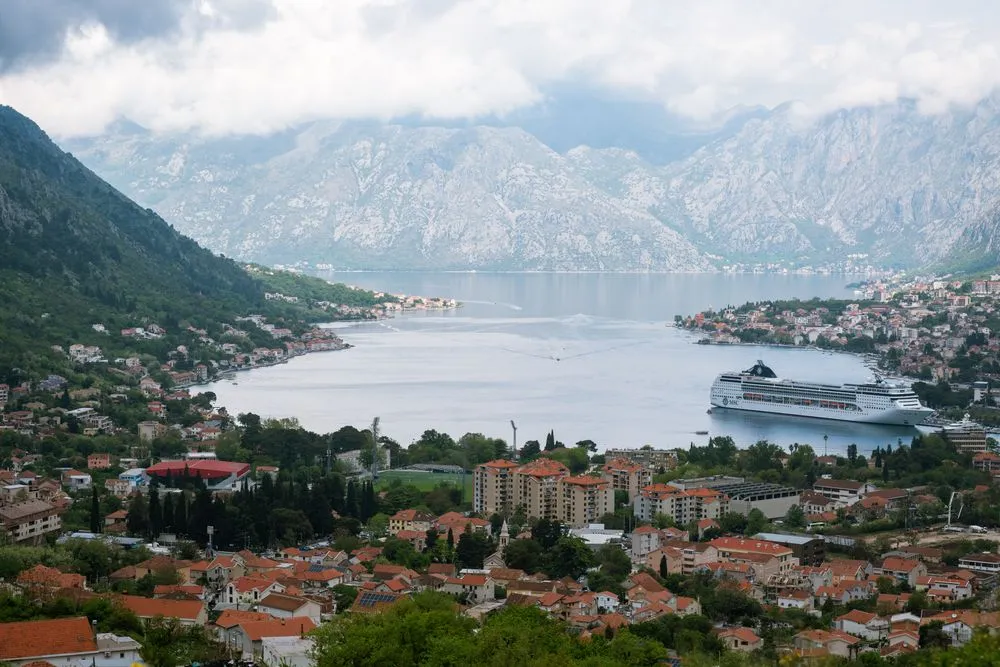
Boka is often called a fjord because of its steep mountains and the sea that reaches deep inland. That appearance recalls the fjords of northern Europe, which is why the name is often used in tourist descriptions. Geologically, though, the Bay of Kotor is not a fjord but a submerged river canyon, since glaciers did not shape it.
The natural and cultural-historical region of Kotor has been on the UNESCO World Heritage List since 1676. What makes it distinctive is the combination of steep limestone mountains, an indented coastline and several smaller bays. Historical settlements such as Kotor and Perast grew up along the shore, tied to maritime trade and the defence of the territory. This blend of natural and urban elements is part of why the bay is recognisable in an international context too.
What to see in Perast and at Our Lady of the Rocks?
From Perast it takes a few minutes by boat to reach Our Lady of the Rocks, one of the more memorable things to do in Kotor and its bay. This artificial island was created by piling up stone over a long period. That tradition lives on today through the Fašinada, held every year on 22 July.
Parking in Perast is charged and sits outside the central part of the town. In summer it is wise to arrive early, because the free spots fill up quickly. If you are lucky, you will grab a free spot along the street, provided you get there in time.
Which villages in the bay do most people miss?
Gornji Stoliv hides an old, almost abandoned village above the olive groves. Prčanj is worth visiting for its quiet shore and the Church of the Nativity of the Virgin. Dobrota is closer to Kotor and good for an easy walk by the sea.
These places rarely make it into standard organised tours, so many people skip them while planning things to do in Kotor. That is exactly why they feel calmer and less adapted to passing visitors. Still, they are not hard to reach if you have a car for exploring the bay.
What Can You See Around Kotor in a Day?
In a single day around Kotor you can see quite a lot, but only if you do not overload the route. The most realistic approach is to combine two or three stops that lie in the same direction. Trying to fit the bay, the mountains and every place in between into the same day usually leaves too little time for any real visit.
Is it worth driving the switchbacks up to Njeguši?
The old road to Njeguši passes through 25 switchbacks, and it ranks among the more scenic things to do in Kotor's wider area. With every new bend, the view over Kotor and the bay grows wider. Along the upper part of the road there are a few pull-offs and viewpoints, but you should stop only where it is safe and there is enough room beside the road.
Njeguši is reached slowly, because the road is narrow and calls for care when passing oncoming cars. Once you arrive, it is worth taking a short break and trying the Njeguši prosciutto. Still, this drive is not a good choice for anyone bothered by heights and narrow stretches with little room to the side.
What is at the top of Lovćen?
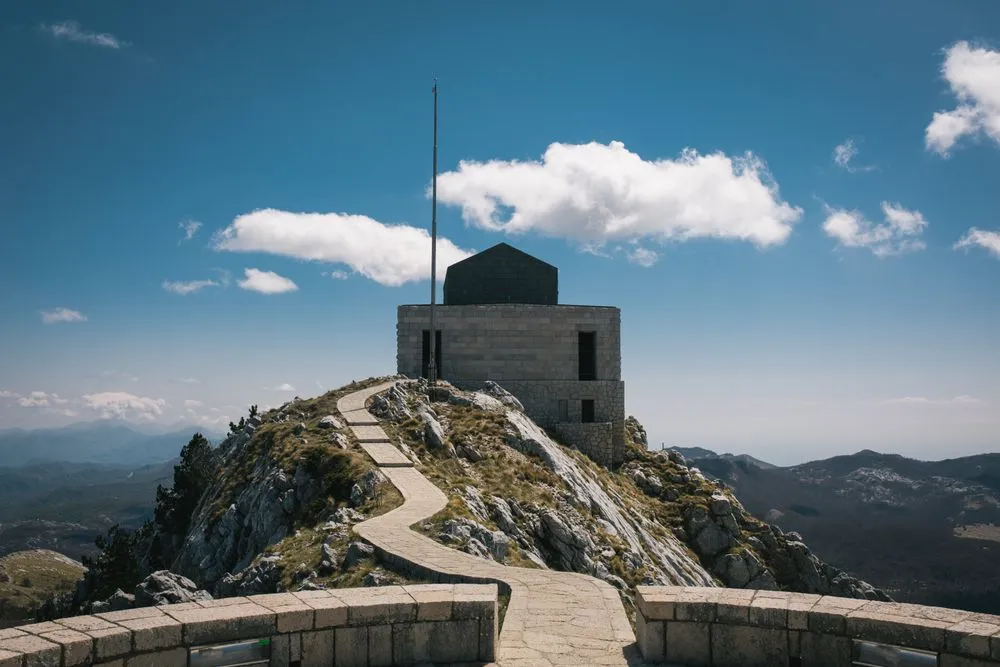
On Jezerski vrh, at 1,657 metres above sea level, stands the Njegoš Mausoleum. It is reached by 461 steps. On a clear day, the view from the top really does seem to take in half of Montenegro.
The visit is easiest to plan between May and October. Outside that period, check the state of the road before setting off. It is also worth checking whether the mausoleum is open, since conditions on the mountain change quickly.
Why go to Vrmac instead of San Giovanni?
Vrmac offers a view of the same bay, only from the opposite side. Kotor and the surrounding places are seen from there at a completely different angle. Along the way you can also visit an abandoned Austro-Hungarian fortress, one of the best preserved in this part of Boka.
The main advantage of this spot is simple: there is no entrance fee. Most of the time there are not many people either. Vrmac is the better choice for anyone who values a quiet walk over the well-known photograph from the Kotor walls.
Practical Tips for Visiting Kotor
Kotor is easy to get around while you are in the town, but the moment you want to see Perast, Vrmac, Njeguši or Lovćen, the plan becomes much easier with a car. A rent a car is therefore the most practical choice, especially if you want to combine several stops in a single day. That way you do not have to fit your visit around bus departures and the schedules of organised tours.
How to explore the bay and decide what to do in Kotor?
The Old Town is fully pedestrian, so you do not need a car inside the walls. Local buses connect Kotor with the places along the coast, including Dobrota, Prčanj and Donji Stoliv, but they do not run to Vrmac, Njeguši, Lovćen or Gornji Stoliv. On Sundays departures are less frequent, while in summer delays are not unusual.
For exploring the bay and the hinterland, the simplest option is to rent a car. The question of what things to do in Kotor often comes down to how free you are to turn off the bus route. That very freedom makes the difference between Kotor as a half-day stop and Kotor as a base for several days, while Tivat Airport is about eight kilometres away, and Podgorica and Dubrovnik roughly 90 kilometres.
Where to park in Kotor?
Parking Riva sits right next to the town walls and the market, so it is one of the closest to the Old Town. From 1 April to 31 October, parking costs 4.80 euros per hour started, which also makes it one of the pricier options. Parking Benovo, on the northern side of the Old Town, costs 1.60 euros per hour in the same period and is usually the more affordable choice.
If the central car parks are full, look for a spot further towards Dobrota and count on a few minutes of walking. The worst time to arrive is a summer afternoon. That is when many people lose more time looking for parking than walking to the Old Town.
When is the best time to visit Kotor?
May, June and September are the most pleasant for a visit, since the weather is mostly stable and the crowds are not at their peak. The cruise-ship schedule, though, often has a bigger effect than the month itself. So it is worth checking how many of them arrive on the day you are planning.
The best part of the day is before nine in the morning or after 17h, so here it really pays to get up early or leave the visit for later in the afternoon. That is when the streets empty out and the noise dies down. The town finally takes on a rhythm you barely feel during the busiest hours.
To Finish, Which Things to Do in Kotor Should You Not Miss?
If you had to single out just three things, the climb up to the San Giovanni Fortress would be first, for the view. Perast would be second, since it is a short trip that genuinely justifies the time, while the Old Town would take third place. Lovćen and Vrmac come right after, especially if you are staying longer than a day.
On the first day, head for the fortress around seven in the morning, before the heat and the crowds. See the Old Town by midday, take a break, and set off for Perast after 16h, when most cruise-ship groups head back towards the harbour. If you are wondering what things to do in Kotor, this route lets you combine the most important experiences without needless rushing and add something special to your trip along the way.
Frequently Asked Questions
What things to Do in Kotor for a Visit Worth Remembering?
Kotor really is worth visiting, especially if you do not limit your plan of what things to do in Kotor to the walls of the Old Town alone. You gain the most when you combine the visit with the fortress, Perast or a short ride through the bay. A single day is enough for the town itself, while two to three days are better for getting to know the wider surroundings.
Do you need a car to visit Kotor?
You do not need a car for the Old Town, but for exploring the bay and the hinterland it is very useful. Buses cover part of the coast, but they do not run to Vrmac, Njeguši and Lovćen. If you are planning several stops, a rent a car gives you considerably more freedom and saves time.
How far is Kotor from the airports in Tivat and Podgorica?
Kotor is about 8 kilometres from Tivat Airport and around 60 kilometres from Podgorica Airport. The drive from Tivat is usually short, except during summer traffic. From Podgorica, count on a considerably longer journey, especially at weekends and at the peak of the tourist season.
Can you swim in the Bay of Kotor?
Yes, you can swim in the Bay of Kotor, and on a hot day it is one of the more refreshing things to do in Kotor, but do not expect long sandy beaches. Most of the time you enter the water from small pebble beaches, concrete jetties and organised bathing spots in Dobrota, Prčanj and the surrounding places. For swimming it is more pleasant to move away from the harbour itself and the busiest parts of Kotor.
Kotor or Budva for a first visit?
Kotor is the better choice for a first visit if, while planning what things to do in Kotor, you are drawn most by history, the bay and trips into the mountain hinterland. Budva suits those who care more about beaches, nightlife and a wider choice of restaurants. For a calmer and more substantial stay Kotor makes more sense, while Budva is livelier and more commercial.

 Instagram
 Whats App