Travelling to Montenegro 2026: What It Actually Costs and How It Compares to Croatia, Albania and Greece
Travelling to Montenegro in 2026 costs a family of three around €2,000. Real cost breakdown and comparison with Croatia, Albania and Greece — all in one guide.
More and more British and European tourists are choosing destinations that offer the same type of holiday as Croatia, Italy or Greece, just at significantly lower prices. Travelling to Montenegro has become one of the most frequently mentioned names on those alternative lists. The reason is straightforward and fairly practical, because the same budget simply goes further here.

The question is how much further. To get a concrete answer, we built one realistic scenario. A family of two adults and one child, five days, a low-cost flight, a small SUV rental, three days on the coast, two in the north, three organised tours.
In the sections that follow, we break down every item in that package, from the flight to Tivat and the car rental to a restaurant lunch and supermarket groceries. We then apply the same template to Croatia, Albania and Greece, and put the numbers side by side. At the end, we answer the questions most people actually type into Google: when to go, which airport to choose, whether you need a car, and how many days are enough for a proper visit to Montenegro.
How Much Does Travelling to Montenegro Cost for a Family of Three?
Travelling to Montenegro for five days with a family of two adults and one child realistically costs between €1,700 and €2,100, including flights, car rental, accommodation, tours and food. The exact figure depends on your departure point, the month and your choice of accommodation, but it stays below what the same combination costs on the Croatian or Greek coast. Below we break down every item in that package in order, from the flight to the dinner table, so you can see exactly where each euro goes.
How Much Are Flights and Car Rental to Montenegro?
Travelling to Montenegro for most Europeans starts with a flight to Tivat (TIV) or Podgorica (TGD). Tivat is the more practical choice for the coast, as the airport looks directly onto the Bay of Kotor, putting you in Kotor within twenty minutes and in Budva within an hour. Low-cost carriers such as Wizz Air and Ryanair offer return tickets from London to Podgorica for around £100 to £130 per person during the summer season, according to Momondo, which works out to between €400 and €500 for a family of three.
For getting around the country, a car is more than just a recommendation. Renting a small SUV such as a Dacia Duster or Land Cruiser through a local rent a car agency costs between €20 and €50 per day in season, which for five days with basic insurance comes to between €100 and €250. Local providers tend to be more flexible than large international chains and more often include free airport delivery, saving you both time and money from the very start.
Where to Stay and How Much Does Accommodation Cost in Montenegro?
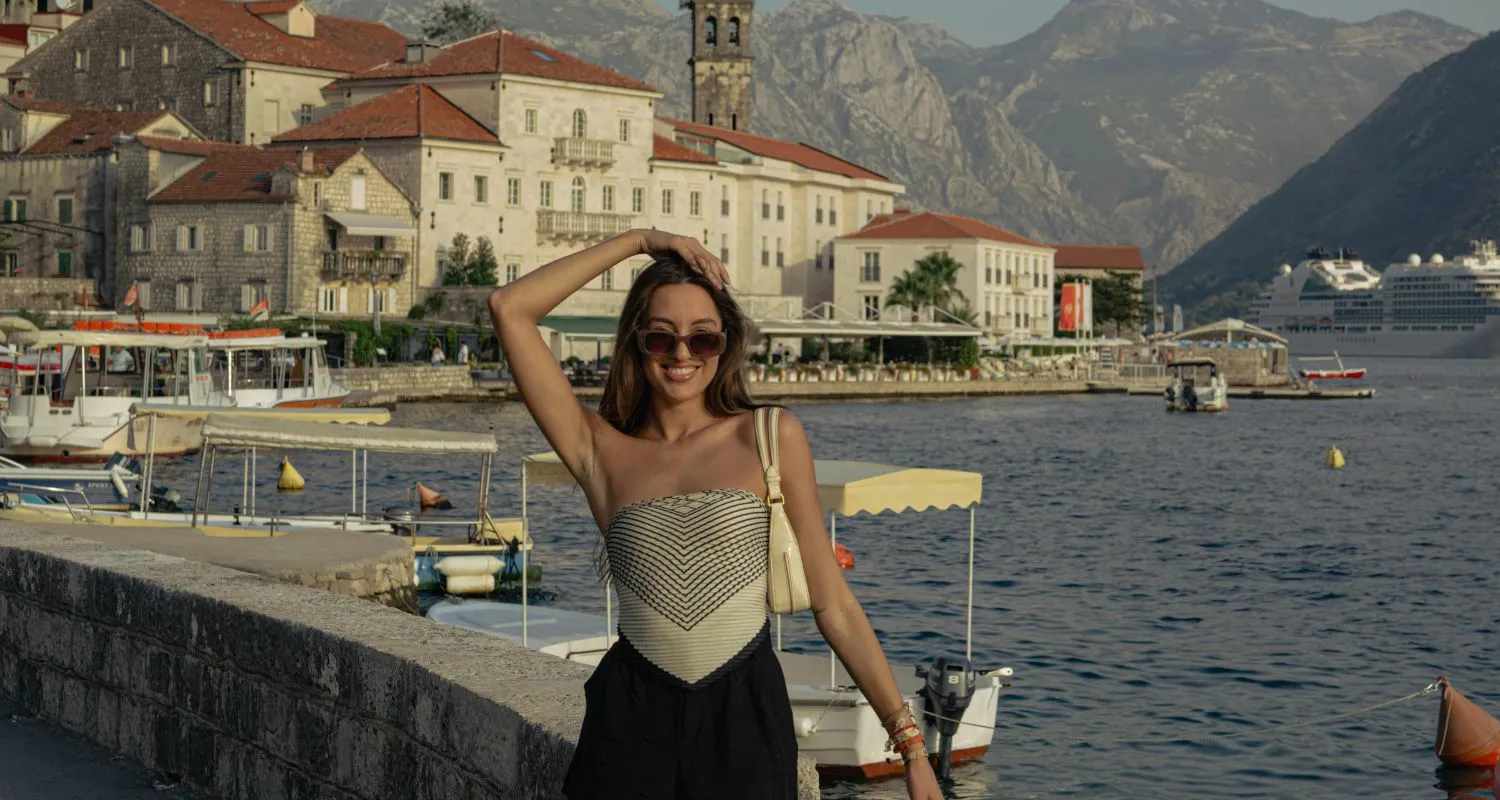
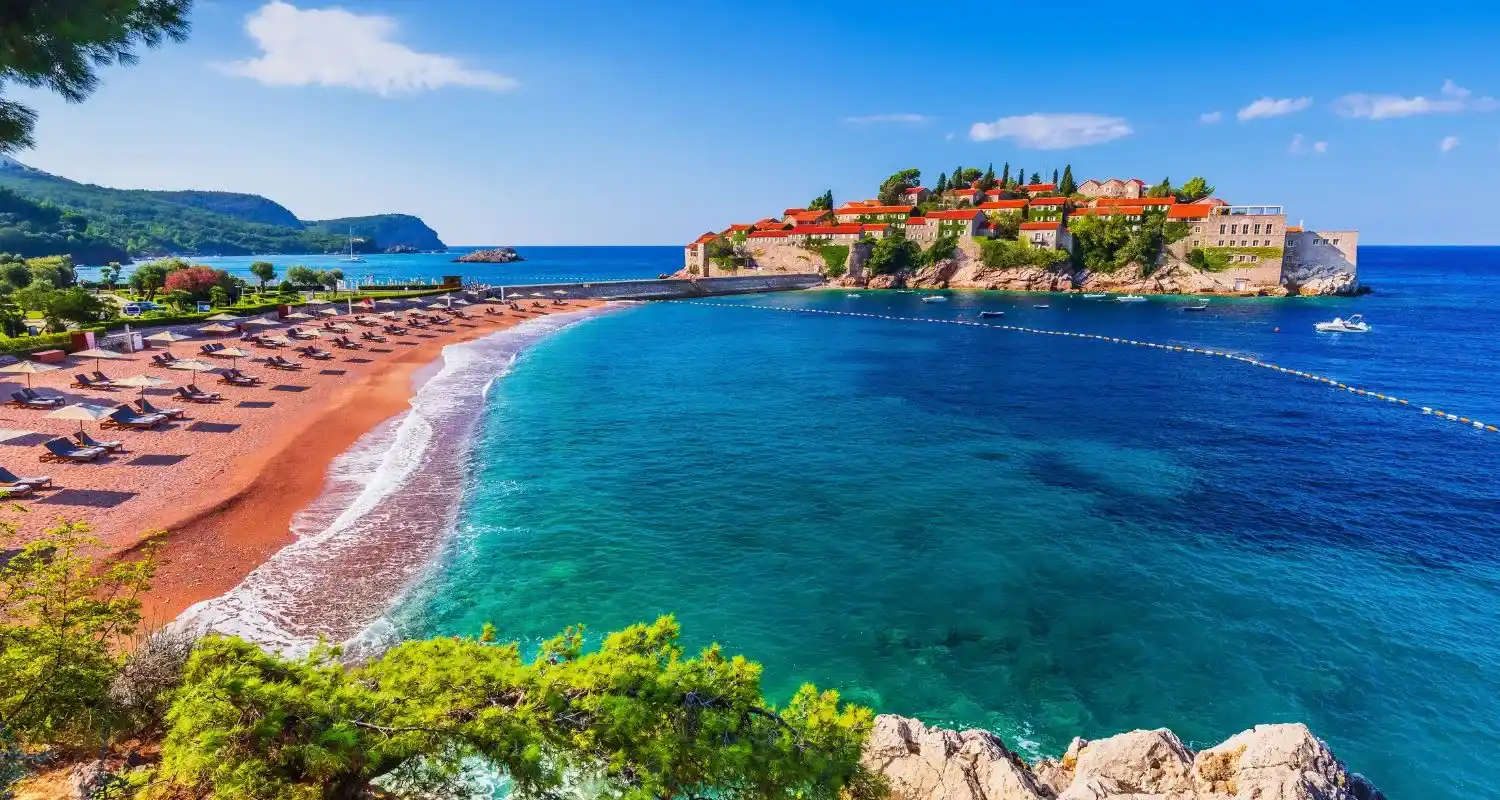
Three days on the coast opens the classic question of where to base yourself, and Budva is the logical choice for most, given its range of apartments, proximity to beaches and lively centre. According to Booking listings for the 2026 season, an average apartment in Budva, Kotor or Herceg Novi costs between €60 and €120 per night. For three nights that means around €240 to €360, while quieter Petrovac and Bar often fall within the same price range with noticeably fewer crowds.
The north of the country is a completely different story, both in price and in feel. Two nights in Žabljak or Kolašin, in an apartment with views of Durmitor or Bjelasica, costs around €50 to €80 per night. This is where a summer in Montenegro takes on a different character, as temperatures drop by around ten degrees and the surroundings shift into national parks and canyons.
Which Three Tours in Montenegro Are Worth Every Euro?
If you are planning on travelling to Montenegro and you enjoy an active holiday, it is worth knowing that the best itinerary works as a triangle between the sea, the old town and the mountains. Three tours that cover all three corners without breaking the budget look like this:
- Boat trip through the Bay of Kotor — a half-day group tour with stops at Our Lady of the Rocks and the Blue Cave costs around €25 to €30 per adult, with children paying half. For a family of three, budget around €65 to €75.
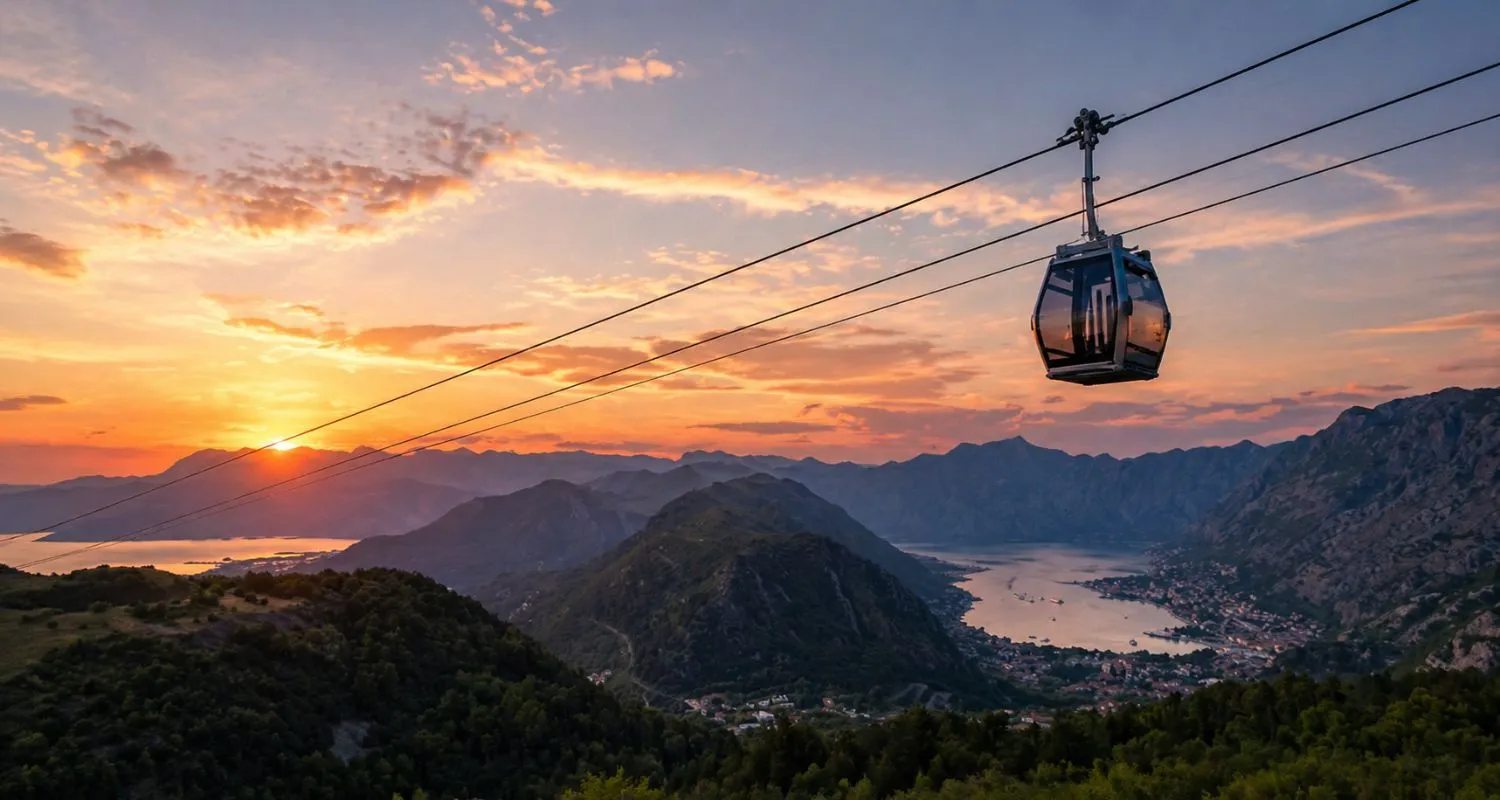
- Kotor–Lovćen cable car — opened in 2023, and according to the official operator Teron, costs €20 return for an adult and €5 for a child, coming to €58 for three.
- Durmitor Jeep safari — a full-day adventure through Sedlo, Sušica canyon and the village of Mala Crna Gora. According to operator Tara Bodo, the single-day variant costs €55 per person, putting a family of three at around €150 to €165.
All three tours together come to around €280. It is not the cheapest item in the package, but it is precisely what turns travelling to Montenegro into a real holiday rather than just a stay on the coast. If you prefer exploring independently by car, you can cut that figure roughly in half.
How Much Does Food Cost in Montenegro, Eating Out or Self-Catering?
Lunch for two adults and a child in an average coastal restaurant comes to around €35 to €60, with a main course, salad and a drink each. Konoba restaurants in smaller towns and away from the tourist centres are considerably more affordable, with the same combination coming in at €25 to €35. Fish and seafood cost more than meat, as expected, but portions are generous as a rule.
Did you know that a meal for three made from fresh ingredients from a local supermarket can come in at under €20? Apartments typically have a kitchen, so a mix of eating out and self-catering is the most efficient way to keep food from taking up the biggest share of your budget. If you decide on travelling to Montenegro, a realistic estimate for five days, with a few restaurant meals and the rest from the supermarket, sits between €250 and €350.
What Is the Total Projected Cost of a Five-Day Holiday in Montenegro?
When everything is added up, the projected spend for our family looks like this:
|
Item |
Amount (€) |
|
Flights (3 persons, return) |
400 – 500 |
|
Car rental (5 days, small SUV) |
225 |
|
Accommodation (3 nights coast + 2 nights north) |
340 – 520 |
|
Three organised tours |
270 – 300 |
|
Food (5 days, mixed) |
250 – 350 |
|
Fuel and miscellaneous |
100 – 150 |
|
Total |
1,585 – 2,045 |
Travelling to Montenegro on this realistic template costs a family around €1,800. You can bring that figure down by travelling outside peak season, or push it higher with more upmarket accommodation and restaurants. For comparison, the same combination in Croatia, Albania and Greece requires a different budget, which we break down in the sections that follow.
Is Montenegro an Expensive Holiday Destination?
Montenegro is not an expensive destination by Mediterranean standards, but it is no longer the budget alternative it was five years ago. The daily budget per person, excluding flights, realistically sits between €80 and €120, which is on average 25 to 40 percent below the equivalent standard in Croatia, Italy or France. For a family of three, that means between €1,200 and €1,800 for a five-day vacation in Montenegro split between the coast and the north.
The season has the biggest impact on the overall cost of travelling to Montenegro, and the difference between July and September can be significant. An apartment that costs €100 per night at the peak of summer drops to €50 to €60 in the second half of September. The same applies to car rental, which falls by around a third outside peak season, while tours and restaurants largely hold their prices year round.
What few people mention is that Montenegro offers an unusual combination that rarely comes together in Europe. For the same budget you get both the sea and the mountains within an hour and a half's drive, while most other Mediterranean destinations ask you to choose one or the other. That is precisely what makes travelling to Montenegro a different proposition in terms of value than a classic coastal destination, and it is exactly what we look at in the sections that follow through a direct comparison with Croatia, Albania and Greece.
Travelling to Montenegro or Croatia: Which Destination Offers More for the Same Budget?
Croatia is between €400 and €700 more expensive than Montenegro for the same type of five-day family holiday. The difference comes down to three specific items: accommodation in Split or Dubrovnik, food in coastal restaurants and car rental. Travelling to Montenegro on the same template costs between €1,585 and €2,045, while the same combination in Croatia realistically comes in between €1,970 and €2,745.
How Much Does the Same Five-Day Package Cost in Croatia?
A five-day package in Croatia for a family of three, following the same template of a flight, SUV rental, three nights on the coast, two inland and three organised tours, realistically costs between €1,970 and €2,745. The biggest difference comes from accommodation, as an apartment for three in Split or Dubrovnik in the 2026 season, according to portal Dalmacija News, goes from €100 to €180 per night for an average unit. Renting a small SUV at Split airport costs between €60 and €80 per day, according to the Skyscanner and Momondo average, which is almost double the rate in Montenegro.
|
Item |
Amount (€) |
|
Flights (3 persons, return) |
400 – 550 |
|
Car rental (5 days, SUV) |
300 – 400 |
|
Accommodation (3 nights coast + 2 inland) |
440 – 740 |
|
Three organised tours |
360 – 430 |
|
Food (5 days) |
350 – 450 |
|
Fuel and tolls |
120 – 175 |
|
Total |
1,970 – 2,745 |
Where Does Montenegro Win and Where Does It Fall Short Compared to Croatia?
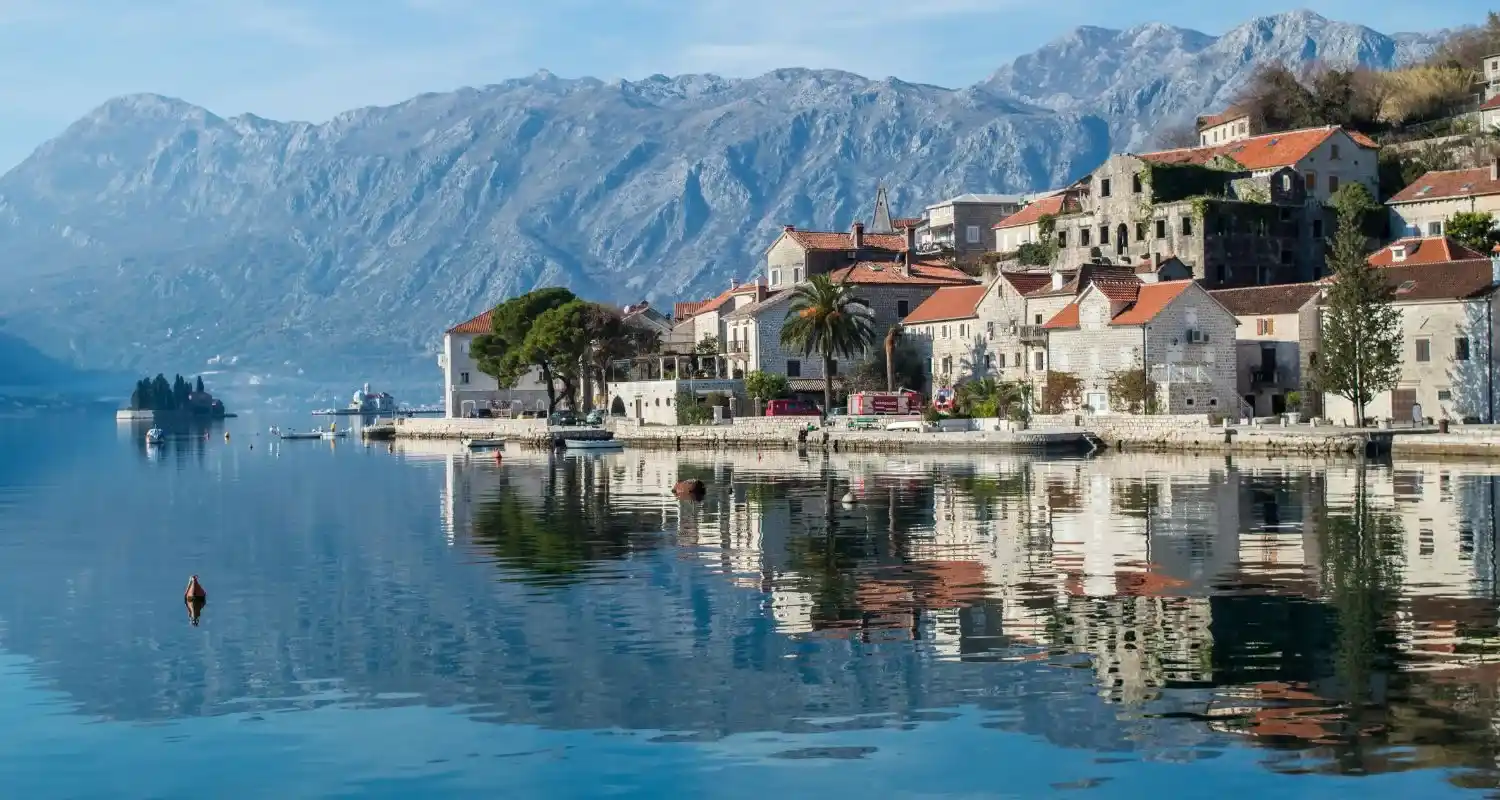
Montenegro wins on price, terrain variety and ease of getting around, while it falls short on infrastructure and destination brand recognition. For a family with mixed interests, the sea, the mountains and the canyons are all within 150 kilometres of each other, while Croatia requires considerably more driving between regions. Travelling to Montenegro also means fewer crowds in the streets of Kotor and Budva than in Split and Dubrovnik during the same period, as well as meals that are on average 30 to 40 percent cheaper.
Montenegro or Albania: Which Country Should You Visit in Summer 2026?
Albania is between €400 and €500 cheaper than Montenegro for the same five-day family package, and there is not much room for debate on that point. The difference comes from accommodation, food and car rental, which are on average a third more affordable in Albania. Travelling to Montenegro, on the other hand, wins on infrastructure and logistics, because shorter transfers and a more developed road network typically mean more time spent relaxing and less time driving.
How Much Does the Same Five-Day Package Cost in Albania?
A five-day package in Albania for a family of three, following the same template of a flight, SUV rental, three nights on the coast, two inland and three organised tours, realistically costs between €1,200 and €1,750. Accommodation in Saranda or Ksamil, according to Trivago data for the 2026 season, goes from €60 to €90 per night for an average family apartment. While some segments are cheaper, which has changed considerably in recent years as Albania is no longer as budget-friendly as it once was, many travellers still choose travelling to Montenegro for everything this destination has to offer.
|
Item |
Amount (€) |
|
Flights (3 persons, return) |
350 – 500 |
|
Car rental (5 days, SUV) |
125 – 200 |
|
Accommodation (3 nights coast + 2 inland) |
260 – 390 |
|
Three organised tours |
200 – 280 |
|
Food (5 days) |
180 – 260 |
|
Fuel and miscellaneous |
85 – 120 |
|
Total |
1,200 – 1,750 |
Differences in Infrastructure, Experience and Travel Logistics
Montenegro and Albania differ in everything a traveller feels once they actually hit the road. Travelling to Montenegro is straightforward in terms of organisation, with a motorway to Bar, bridges across the Bay of Kotor and shorter transfers to the northern national parks, while Albania often demands longer drives on local roads and a fair amount of patience during peak season congestion. It is also worth keeping in mind that the public transport network between the coast and the interior in Albania is considerably thinner, making a car practically essential.
On the other hand, Albania has something Montenegro cannot match, and that is over 470 kilometres of coastline with beaches like Ksamil, which many visitors describe as the Maldives of Europe. Beaches such as Ksamil, Dhërmi and Borsh hold a turquoise water colour that in Montenegro exists only in smaller coves. In return, a summer in Montenegro comes with the combination of sea and mountains within less than two hours by car, while Albania keeps its mountain scenery far from the coast, mostly in the northern alpine region around Theth and Valbona.
Travelling to Montenegro or Greece: Is It Worth Swapping the Classic for Something Different?
For the same five-day family package, Greece is between €150 and €500 more expensive than Montenegro, and that gap grows in proportion to the popularity of the chosen destination within Greece itself. Santorini and Mykonos are in a category of their own, where an apartment for three in the summer season starts at €130 per night, with restaurants and tours following the same upward trend. Travelling to Montenegro on the same template costs between €1,585 and €2,045, while the equivalent package in Greece comes in between €1,740 and €2,570.
How Much Does the Same Five-Day Package Cost in Greece?
A five-day package in Greece for a family of three, following the same template of a flight, SUV rental, three nights on an island and two on the mainland with three organised tours, realistically costs between €1,740 and €2,570. On more accessible islands such as Corfu, Rhodes or Crete, an average family apartment in season goes from €80 to €140 per night, according to Booking data for 2026, while Santorini and Mykonos go well beyond that range. The one item that does not differ significantly from what we showed for travelling to Montenegro is flights, as low-cost carriers offer similar return prices to Athens and Thessaloniki.
|
Item |
Amount (€) |
|
Flights (3 persons, return) |
380 – 520 |
|
Car rental (5 days, SUV) |
230 – 350 |
|
Accommodation (3 nights island + 2 mainland) |
360 – 620 |
|
Three organised tours |
300 – 420 |
|
Food (5 days, mixed) |
350 – 500 |
|
Fuel and miscellaneous |
120 – 160 |
|
Total |
1,740 – 2,570 |
What Does Montenegro Offer That Greece Struggles to Match?
The difference between these two destinations is not purely financial. Santorini formally introduced a cap of 8,000 cruise passengers per day from 2025, after peak days in 2024 recorded up to 17,000 visitors arriving in a single day, as CNN Travel reported in detail, while similar issues affect Rhodes and Corfu throughout July and August. Travelling to Montenegro, by contrast, means Budva, Kotor and Žabljak without timed entry slots and without a ferry in between.
Logistics matter more than most people expect on a family holiday. In Greece, combining islands and the mainland almost always means a ferry, and local rent a car agencies typically do not allow vehicles to be transported between islands, as portal Santorini Dave points out. Greece remains the clear favourite for island hopping and a historical tradition measured in millennia, but for a family that needs both the sea and the mountains in one arrangement, Montenegro solves that with a single car and a single booking.
Montenegro Travel Guide: What You Need to Know Before You Go
The four questions that come up most often before booking a trip for travelling to Montenegro come down to the same thing: when to go, which airport to fly into, whether you need a car and how many days to set aside. The answers are short, and each one has a direct impact on the overall cost of your vacation in Montenegro.
- When is the best time to visit? May, June and September offer the best balance of weather and crowd levels. Summer in Montenegro in July and August means packed beaches and higher prices, while September brings quiet coves, warm sea water and accommodation that can be up to 40 percent cheaper.
- Tivat or Podgorica, which airport should you choose? Tivat airport (TIV) is the better option for the coast, putting you in Kotor within 20 minutes. Podgorica airport (TGD) has more direct flights throughout the year and is the more practical starting point for the north.
- Do I need a car? For a combined itinerary covering both the coast and the north, a car is practically essential. Local rent a car agencies offer flexible terms and free airport delivery, which in season is often better value than the major international chains.
- How many days are enough? Five days is the minimum for a proper combination of the coast and the north. Seven days gives you room for a slower pace and a few extra days on the beach.
Conclusion: Why Montenegro Is the Value Pick for 2026
Now that you have the numbers in front of you, the picture is fairly clear. A five-day family package comes in at around €2,000, which is between €400 and €700 less than Croatia and Greece, and €200 to €300 more than Albania, but with the infrastructure and logistics that Albania cannot yet match. If you are looking for a destination that combines the sea, canyons and mountains in one arrangement without ferries, double bookings and Santorini-sized crowds, travelling to Montenegro in 2026 is probably the smartest choice on the Mediterranean for the budget.
FAQ
Is Montenegro an expensive holiday destination? By Mediterranean standards, no. The daily budget per person, excluding flights, realistically sits between €80 and €120, which is on average 25 to 40 percent below the equivalent standard in Croatia or Greece. Accommodation and food are cheaper, particularly outside the main tourist areas.
What is the cheapest time for a summer in Montenegro? If you are planning on travelling to Montenegro, September is the optimal choice. The sea stays warm up to 26°C, the beaches are quiet, and accommodation can be up to 40 percent cheaper than in July and August. May and June are a good alternative for those who prefer to avoid the heat.
Do I need a visa to enter Montenegro? If you have decided on travelling to Montenegro, you can relax on this one. Citizens of EU countries, Serbia, Bosnia and Herzegovina and most European nations enter without a visa. Montenegro is not an EU member, but applies a liberal visa regime according to the Montenegrin Ministry of Foreign Affairs.
Which attractions should not be missed on a visit to Montenegro? Kotor Old Town, a boat trip through the Bay of Kotor, the cable car to Lovćen and Tara Canyon are four things that justify every kilometre. With five days, the north and south combine easily without compromise.
How many days should I set aside for a holiday in Montenegro? Five days is the minimum for a proper combination of the coast and the north. With seven days you have room for a slower pace and a few extra days by the sea, without the feeling of rushing from one place to the next.
Is travelling to Montenegro worth it if you already know Croatia well? Yes, for several reasons. Montenegro offers a similar type of holiday at a lower price, but with a terrain variety that the Croatian coast cannot provide within the same arrangement. If you have done Dalmatia, travelling to Montenegro is the logical next step, not a compromise.

 Instagram
 Whats App