Best Places to Visit in Montenegro: 10 Destinations That Won't Leave You Indifferent
Looking for the best places to visit in Montenegro in 2026? A 10-stop guide from the coast to the mountains, with realistic drive times and travel tips.
On Montenegro's roads, the kilometres rarely tell the whole truth. From Herceg Novi to Ulcinj it is about 100 kilometres as the crow flies, while getting from the coast to Durmitor takes roughly three to three and a half hours of driving. When you try to fit the best places to visit in Montenegro into a single trip, it is easy to get the impression that almost everything can be seen from one base, with a return the same day.
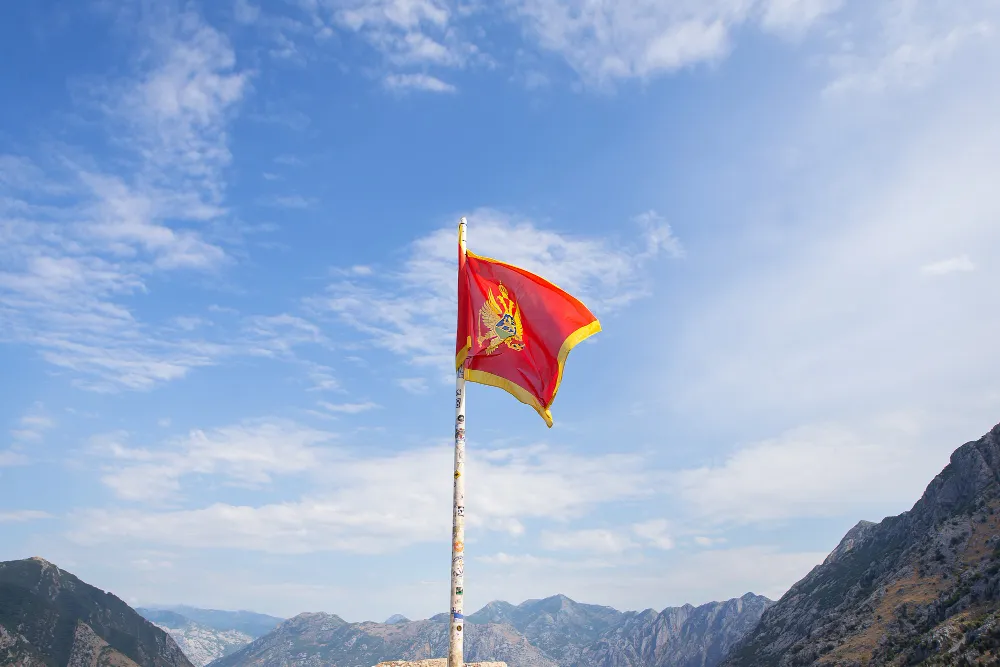
Cities and beaches on the coast, then lakes and the old royal capital, all the way to the mountains and canyons in the north.
The places are arranged by region rather than by which one is "the most beautiful", since that kind of ranking does not make much sense in Montenegro. Keep in mind, too, that seven of the ten destinations are not connected by a direct bus line, so for a trip like this the most practical option is to count on your own or a rented car.
What Are the Best Places to Visit in Montenegro?
The best places to visit in Montenegro are not necessarily the ones that appear most often on postcards, but the ones that best show how many different landscapes and ways of life can fit into such a small country.
- Kotor, for a town you do not take in with your eyes alone, but through the passages, stairways and squares where it is easy to lose your
- Perast, for mornings by the bay, the stone palaces and the short ride out to Our Lady of the Rocks.
- Budva and Sveti Stefan, for the mix of old town, beaches, summer energy and a view that became a symbol of the Montenegrin
- Ulcinj and Ada Bojana, for the sand, the wind, the river and an atmosphere that has little in common with the rest of the
- Durmitor and Žabljak, for mountains that refresh the trip in summer and completely change the rhythm of this area in
- The Tara Canyon, for a sight that neither photographs nor the figures about its depth manage to fully
- Biogradska Gora and Kolašin, for a forest, a lake and a mountain you can get to know even without serious hiking
- Lake Skadar, for the pelicans, the vineyards, the narrow roads and the villages where life still leans on the
- Cetinje and Lovćen, for a chapter of Montenegrin history that here is found not only in museums, but in the landscape
- Podgorica, for the chance to see the country away from the tourist backdrop, the way it looks on an ordinary working
The Best Destinations on the Montenegrin Coast
The Montenegrin coast is 293 kilometres long, but it does not have one recognisable look. That is why a list of the best places to visit in Montenegro along the coast cannot be short either. Boka is a world of stone towns, calm water and mountains that drop almost straight into the sea. Around Budva the coast opens up, the beaches grow livelier, and a summer day gets considerably "louder". In the far south the landscape changes again, gravel gives way to sand, and the sea is given more room.
Kotor
Kotor is at its most beautiful when you do not approach it as a checklist of landmarks. The Old Town is not large, but it keeps slowing you down. Around one corner is a small square, around another a church, and between them stone passages, houses and cats sleeping on the warm stone. The town, together with the bay, is under UNESCO protection, while above the walls a trail climbs towards the San Giovanni Fortress. The ascent is not easy, especially in the sun, but the view from up high explains Kotor better than any guidebook.
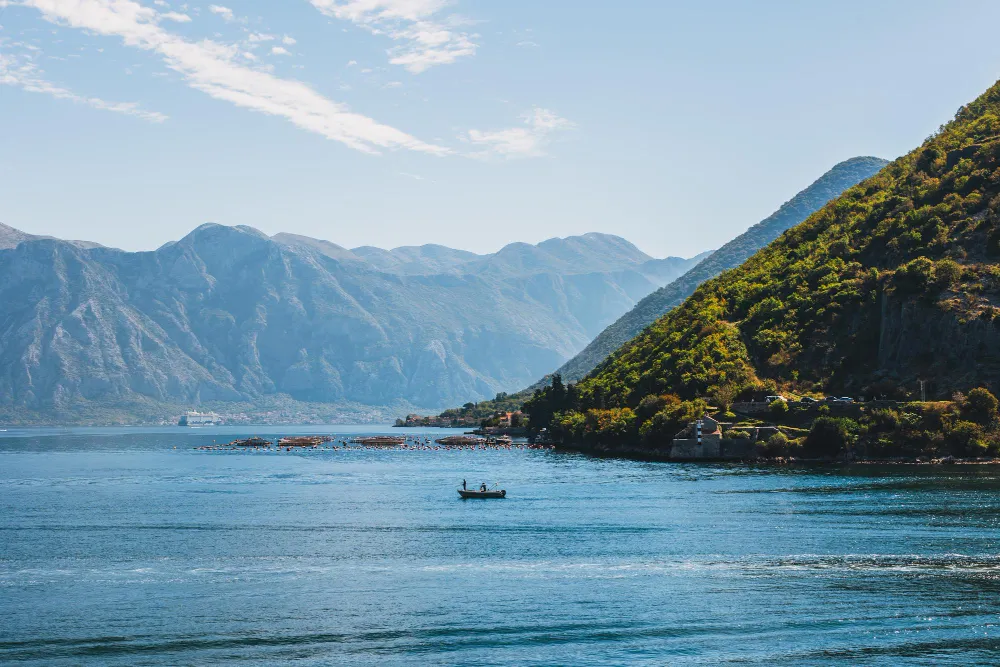
It has to be said honestly, though, that the feel of the town changes when a cruise ship arrives in the harbour. Between 10 and 15h the narrow streets can grow tight, the squares full, and the visit starts to feel more like pushing through a column than taking a leisurely stroll.
Early morning is best for a quieter visit, before the larger tourist groups arrive. Towards evening the crowds thin out again, so moving through the town is considerably more pleasant. These are also the best times to see Kotor without long hold-ups in the packed streets.
Perast
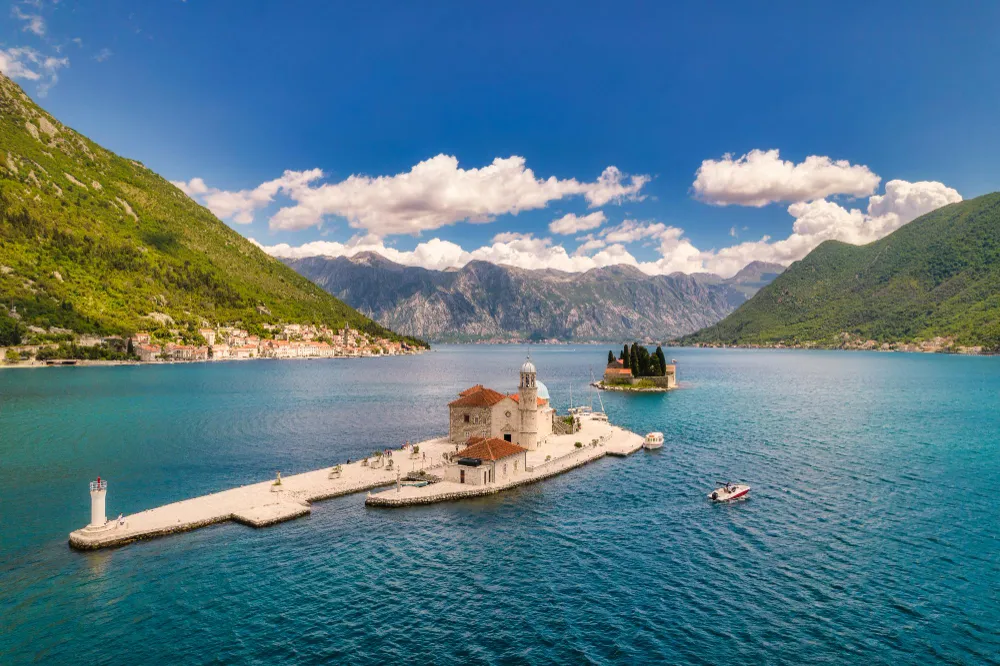
Perast is about 12 kilometres from Kotor, but there is a big difference in rhythm between the two places. There are not many streets here in which you can lose your way. Perast stretches along the sea, between old palaces, church bell towers and small jetties where people sit almost level with the water. Off the shore lies Our Lady of the Rocks, which local boats reach in a few minutes.
Two hours are usually enough for Perast, provided you do not sit down for a coffee and lose track of time. You can walk along the shore, visit the island and head back before the place starts to feel familiar. That is exactly its appeal. When the best places to visit in Montenegro are singled out, Perast earns a spot on the list because it calls for no grand plan, just a short slowing down between two much busier stops in Boka.
Budva and Sveti Stefan
Budva is a town people either take to right away or quickly want to get away from. In summer it is full of cars, music, towels, restaurants and people who go out late and return to their accommodation even later. The Old Town is its quieter and older layer, though even it is not especially quiet during the season. Still, a morning walk through the walls, a trip to Mogren and a swim before the biggest crowds can show why Budva developed on exactly this part of the coast.
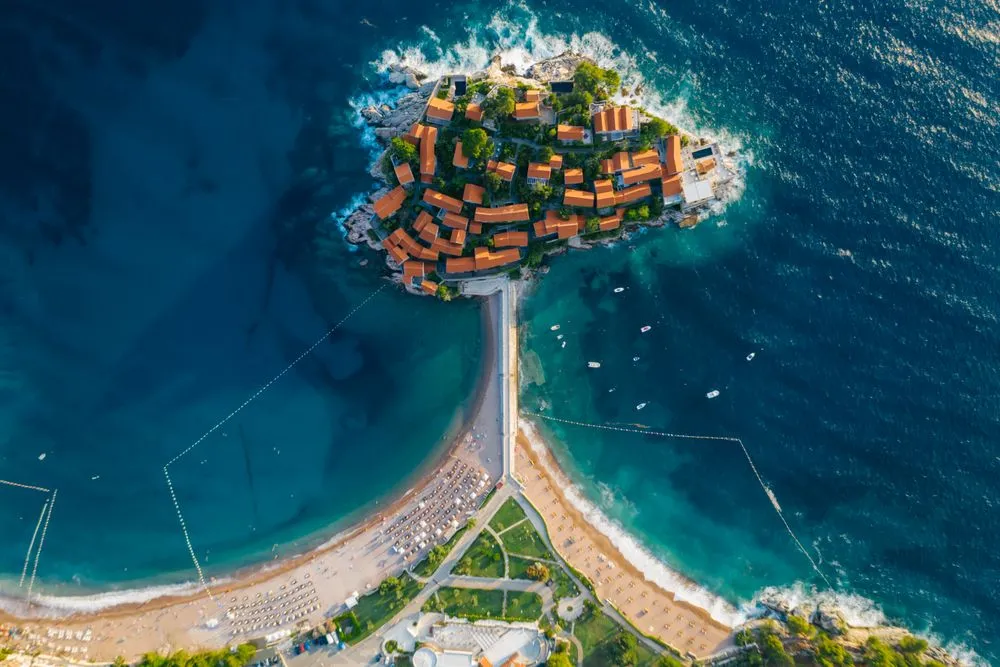
Sveti Stefan is a few kilometres further on and a much quieter sight. The island today is mostly viewed from a lookout, the beach or the road above the settlement, since it is not a place you can walk through freely the way you can an old town. It is worth stopping for the view, but there is no need to stay too long. Sometimes ten minutes at the lookout railing is enough to understand why this very image ended up in almost every tourist campaign and why it counts among the best places to visit in Montenegro.
Ulcinj and Ada Bojana
Ulcinj does not try to resemble Kotor, Budva or any other town on the coast. Its Old Town stands on a rock above the sea, with uneven stone streets, restaurants in old houses and views that open up between the walls. South of the town begins Velika Plaža, which is 13 kilometres long, a complete change after most of the Montenegrin coast, where stone and gravel dominate.
At the very south lies Ada Bojana, a river island known for kitesurfing, wooden buildings and the only nudist resort in this part of the Adriatic. Here everything looks a little mismatched, with houses, pontoons, kite boards and fishing nets standing side by side without much order. But it is precisely that informality that gives Ada its character. This is the southernmost corner of the country, a place where the road ends between the river, the sea and the border with Albania.
The Best Places to Visit in Northern Montenegro
When we talk about the best places to visit in Montenegro, the north often ends up at the very end of the plan, if there is any time left for it at all. That is unusual, since it takes up roughly half the country yet receives less than ten percent of all visits. While the coast is busy with the search for free parking spots in summer, the north still has lakes, villages and mountain roads where you will be on your own for a good while.
Durmitor and Žabljak
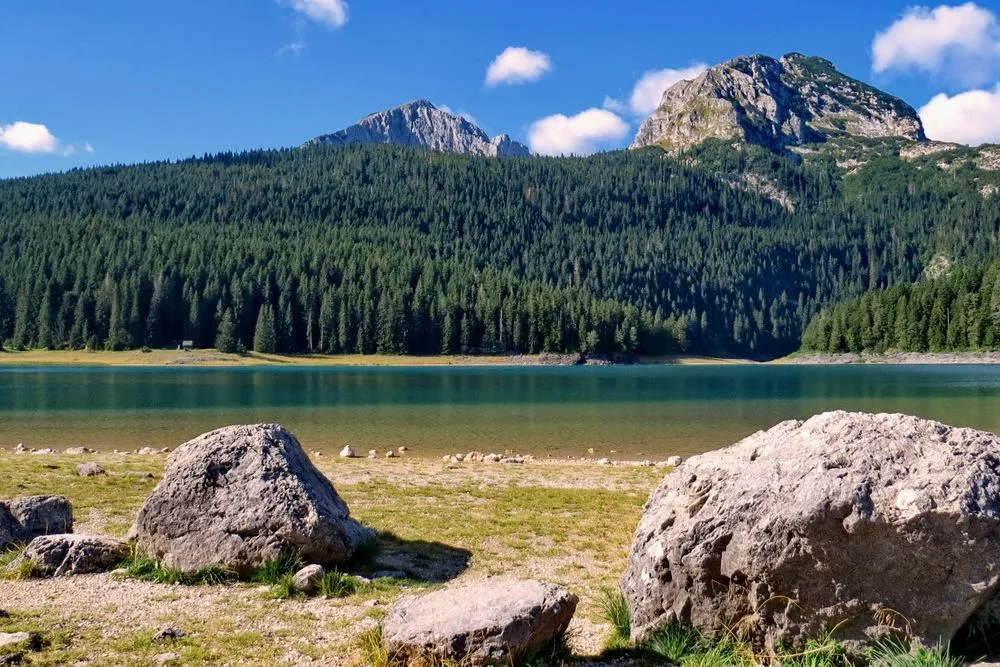
Durmitor has 48 peaks higher than 2,000 metres, but a first visit does not call for serious hiking gear. Most visitors start from the Black Lake, which is easy to reach from Žabljak. The walk around the lake is simple, and the landscape changes with every stretch of the trail. On one side there is dense forest, on the other an open view towards the mountain peaks. The national park itself is part of the UNESCO world natural heritage.
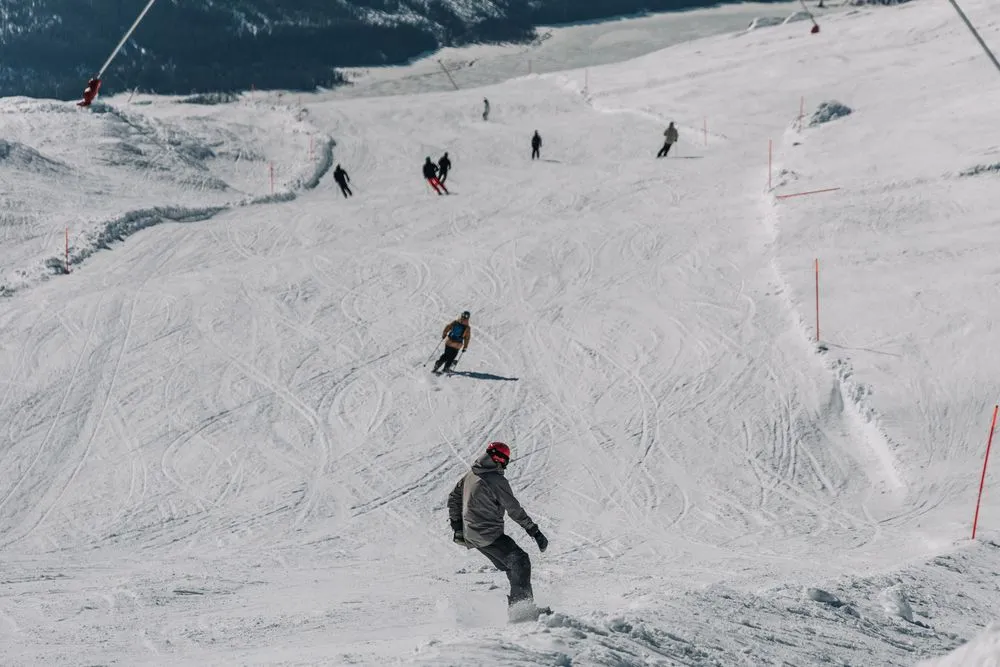
Žabljak is located at around 1,450 metres above sea level and is considered the highest urban settlement in the Balkans. It does not look like a classic mountain resort found in large European ski destinations. It is smaller, simpler and has no large hotel complexes, but it is an excellent base for Durmitor. Among the best places to visit in Montenegro, Žabljak stands out as a good base for an active holiday throughout the year. In summer, you can set out from here towards lakes and hiking trails, while winter snow transforms it into a ski centre.
The Tara Canyon
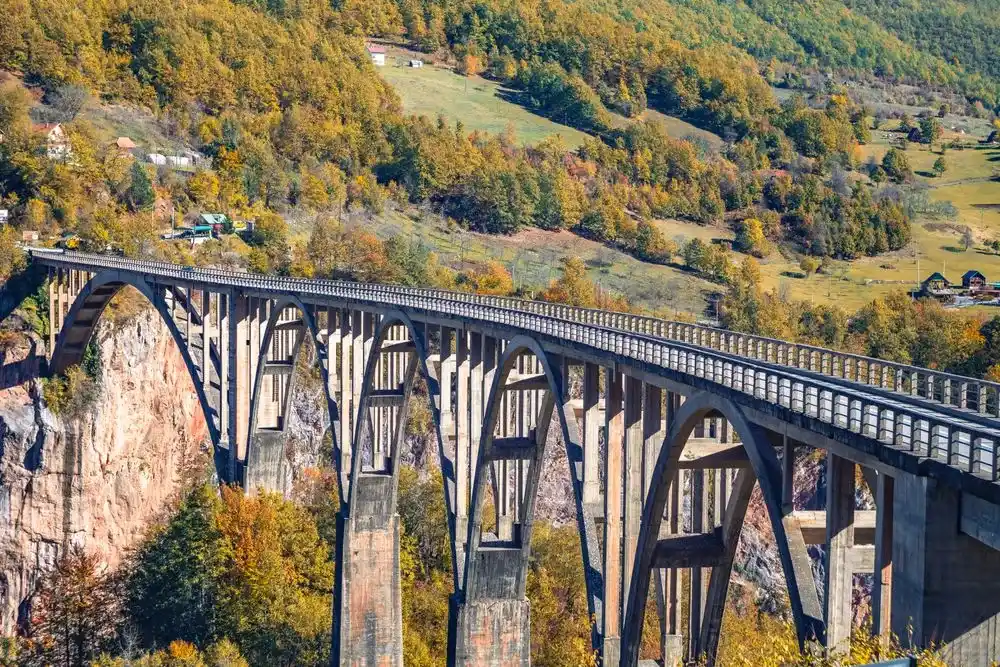
The figure of around 1,300 metres in depth sounds impressive, but it means little until you stand above the canyon. The Tara is cut deep between wooded slopes, and from some viewpoints the river is visible only as a thin, bright line. It is often cited as the second deepest canyon in the world, though it is safer to say it is the deepest river canyon in Europe. For anyone drawn to dramatic scenery, it is one of the best places to visit in Montenegro.
Rafting is organised from spring to autumn, mostly between April and October. The spring Tara is faster, colder and more serious, while the summer descents are calmer. Even without rafting, it is worth reaching the bridge at Đurđevića Tara. From it you can see the canyon without a long walk, though you will share the view with excursion buses, souvenir shops and people getting ready for the zip-line.
Biogradska Gora and Kolašin
Any list of the best places to visit in Montenegro would be incomplete without Biogradska Gora, which preserves one of the last old-growth forest areas in Europe. The most accessible part of the park lies around Biograd Lake, reached by a road through the forest. The trail around the water is not demanding, so this is a good spot for people who want nature without a climb that takes hours. The forest is dense, damp and full of trees that do not fit the tidy picture of city parks.
Kolašin is the logical base for exploring Biogradska Gora and Bjelasica. You can walk through the town itself at an easy pace, but its real point becomes clear only when you use it as a starting point. From here you quickly reach the national park, the mountain katuns and the ski resort. In the evening travellers return to the town, to home-cooked food and cooler temperatures, which in summer are often reason enough to stay one more night.
The Best Places to Visit in Central Montenegro
For many, the central part of the country stays just scenery through the window while they drive from the coast towards the north. Yet it is exactly along this stretch that you find the largest lake in the Balkans, the old royal capital, Lovćen and the capital city. That is why you should set aside a separate day for this part of Montenegro, instead of leaving it as a stop along the way.
Lake Skadar
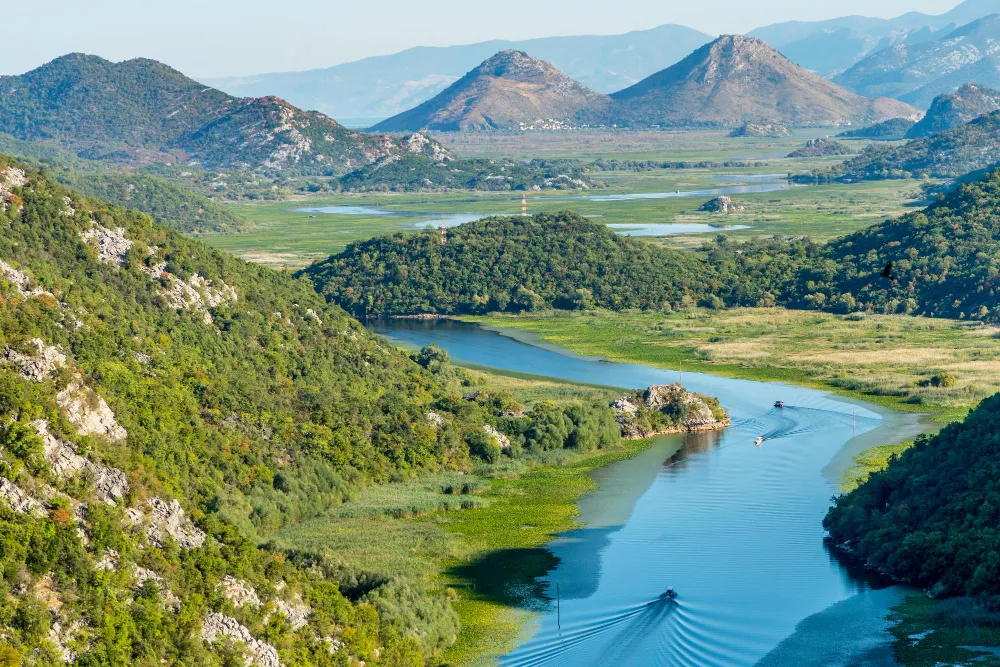
Lake Skadar is the largest lake in the Balkans, but its size is not easy to take in from a single spot. From Virpazar it looks like a wide marshy plain, from Rijeka Crnojevića like a calm river between hills, and from the lookouts like a series of bays, islands and water passages. The lake is one of the important pelican habitats, though seeing them is never guaranteed simply because you paid for a boat ride.
People do not come to Lake Skadar just for the boat ride. It ranks among the best places to visit in Montenegro also because of Crmnica, known for its vineyards and smaller family wineries, as well as the villages along the shore that still lean on fishing and tourism. Pavlova Strana is the best-known lookout over the meander of Rijeka Crnojevića, but the road to it should not be overlooked either. It is narrow, winding and in places requires backing up when a vehicle comes from the opposite direction.
Cetinje and Lovćen
Cetinje does not win you over with monumentality. Its centre is a run of quiet streets, old embassies, museums, state buildings and houses behind low fences. As a former capital, the town preserves a large part of Montenegrin history, but the atmosphere is not that of a museum. People sit in cafés, children ride past on bicycles, and important buildings often stand right next to perfectly ordinary family homes.
From Cetinje the road leads towards Lovćen and the Njegoš Mausoleum at 1,657 metres. Reaching the top means climbing 461 steps, which does not seem like much in cooler weather, but in the middle of summer it can drag on. The road is usually accessible from May to October, while outside that period the conditions depend on snow and ice. For the history and the view together, Cetinje and Lovćen are among the best places to visit in Montenegro. At the top, Montenegro is laid out almost like a map, the sea on one side, the lake and mountains on the other.
Podgorica
Podgorica is not a city you buy a plane ticket to Montenegro for. It has no old core like Kotor, no setting like Perast, and no postcard that explains the city at a glance. In summer it is very hot, the architecture is uneven, and the most interesting places are not always grouped in a way that is practical for tourists.
Still, Podgorica has one advantage that tourist places often lose: here you see how the country really lives. People work, wait in traffic, drink coffee for hours, walk along the Morača and go out in neighbourhoods that were not built for visitors. It is also home to the largest airport in the country, as well as the main crossroads of routes towards the coast, the north and Lake Skadar. It may not be the high point of a trip, but it is often its most practical start.
What Are the Best Things to Do in Montenegro?
The spots often counted among the best places to visit in Montenegro become even more interesting when you experience them through activities, not just sightseeing. Rafting on the Tara, kitesurfing on Ada Bojana, a boat ride out to Our Lady of the Rocks, hiking on Durmitor and wine tasting in Crmnica give a trip far more than a simple tour.
Excursions that try to combine half the country in a single day are overrated. Such tours often leave more time for driving than for the destinations themselves. You can skip, with no regret, the overcrowded tours, the queuing for a single photograph and the visiting of places just because they appear on every tourist list.
How to Get Around Montenegro?
Since the places on this list are spread from the far south to the mountainous north, the mode of transport largely determines how many of the best places to visit in Montenegro you will actually see. You usually arrive in the country via the airports in Podgorica or Tivat, and from there you travel on main and regional roads that are mostly in good condition. Even so, the average speed is much lower than the navigation sometimes suggests. Switchbacks, narrow stretches and summer crowds mean that 50 kilometres in Montenegro is often not a short drive.
The bus network connects Podgorica, Kotor, Budva, Ulcinj and other larger cities well, but not the places that make this route more interesting. Lovćen, most of Lake Skadar, Ada Bojana and many locations on Durmitor are hard to reach without your own transport. That is why a rented car here is not just a matter of comfort, but the most practical solution if you do not want to reduce your trip to the cities along the main bus lines.
How Many Days Do You Need to Experience the Best of Montenegro?
For a first encounter with Boka, three days are enough. That leaves time for Kotor without rushing, Perast and Our Lady of the Rocks, as well as one ride through the bay. With five days you can already combine the coast and the north, but only with careful choice of stops and at least two nights in Žabljak.
Seven to ten days is a much more realistic frame for this whole list. That leaves enough time for the coast, Lake Skadar, Cetinje, Lovćen and the mountains, without packing up every day and long drives late into the night. In Montenegro, an extra day usually means less time in the car and more at the place you set out for.
To Finish, What Are the Best Places to Visit in Montenegro?
If you have to make a choice, Kotor and Durmitor are the two destinations that best show the country's contrasts. Right behind them come Lake Skadar and Ulcinj, since they reveal a Montenegro different from the familiar images of Boka. Perast, Lovćen and Biogradska Gora round off the trip, while Budva, Sveti Stefan and Podgorica depend more on your interests and the time you have.
For a first trip, a good route runs from Kotor and Perast, through Budva and Sveti Stefan to Cetinje, Lovćen and Lake Skadar, and then on towards Žabljak, the Tara and Kolašin. Ulcinj and Ada Bojana are best added when you have two more free days, rather than squeezing them into an already full schedule. That way you will truly get to know, and not just tick off, the best places to visit in Montenegro.
Frequently Asked Questions
What is the most beautiful place in Montenegro?
For most visitors, Kotor is the most beautiful place in Montenegro, and one of the best places to visit in Montenegro overall. If you prefer nature, Durmitor and Lake Skadar can leave an even stronger impression.
Is Montenegro better than Croatia?
Montenegro is not necessarily better than Croatia, just more compact. The sea, mountains and lakes can be combined in a single shorter trip.
Do you need a car to explore Montenegro?
A car is not required for the larger cities, but it is almost essential for Lovćen, Durmitor, Ada Bojana and the lookouts around Lake Skadar, so a rent a car often turns out to be the most practical solution for exploring the best places to visit in Montenegro at your own pace.
When is the best time to visit Montenegro?
The best time is from May to the end of June and during September. The weather is pleasant then, and the crowds and prices are lower than in July and August.
What are the best places to visit in Montenegro in seven days?
The best places to visit in Montenegro in seven days are Kotor, Perast, Cetinje, Lovćen, Lake Skadar and Durmitor. That way you will see the coast, the history and the mountains without too much rushing.

 Instagram
 Whats App